
The aroma of freshly baked bread wafts through the house, transporting me straight to a charming Parisian bakery. There’s something absolutely enchanting about mastering the art of a Homemade Baguette Recipe—that thin, crackly crust giving way to a soft, chewy interior. This recipe not only simplifies the traditional method but also infuses your kitchen with warmth and nostalgia. You’ll love how it pairs perfectly with everything from hearty soups to rich butters, making it a versatile addition to any meal. Plus, with just a handful of pantry staples and a bit of time, you can impress your family and friends with bakery-style results right at home. So, are you ready to take your bread-baking skills to new heights and create a loaf that could rival those found in a bustling café?
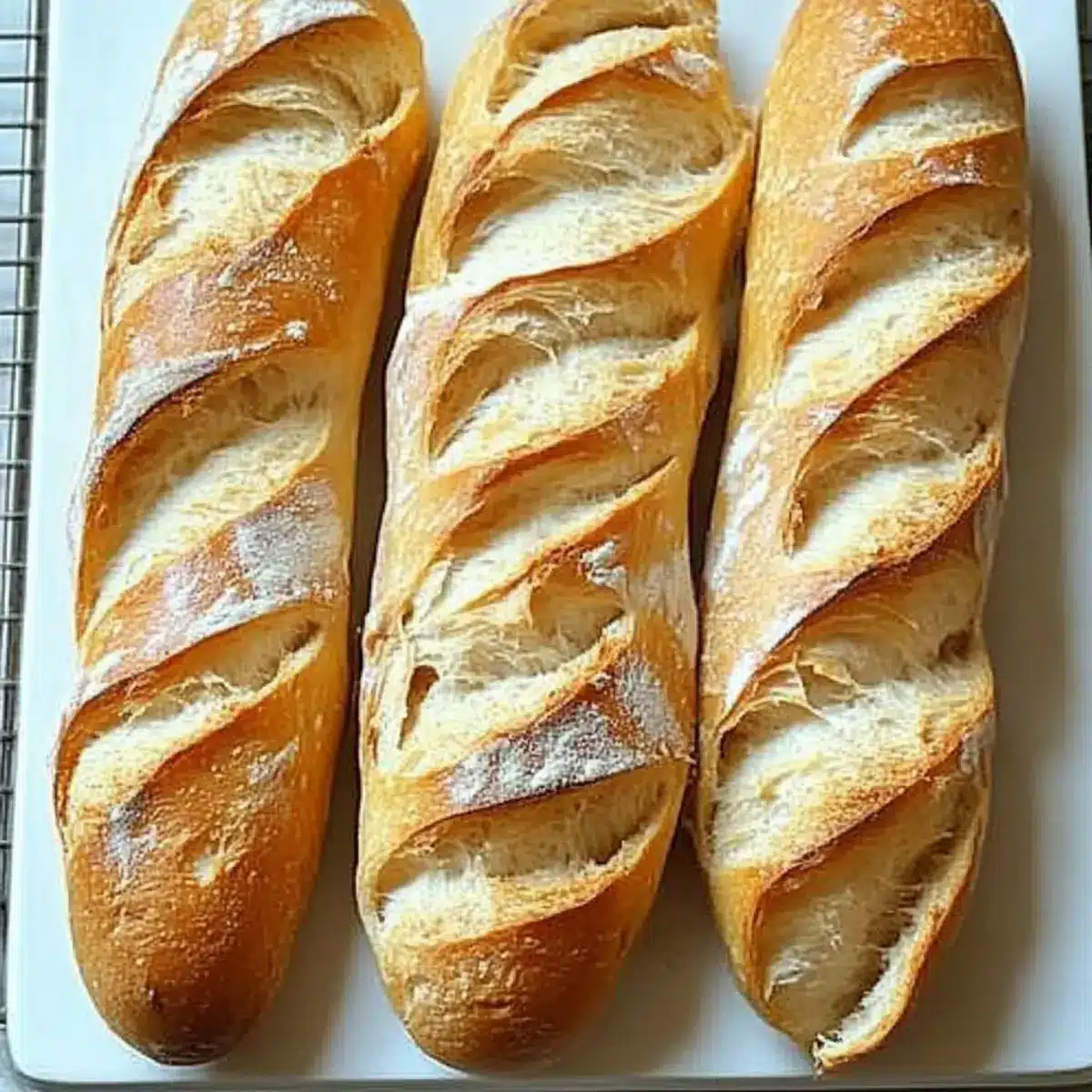
Why is homemade baguette so special?
Simplicity at its core: This homemade baguette recipe is designed for bakers of all levels, requiring just a few ingredients you likely already have in your kitchen.
Irresistible aroma: There’s nothing quite like the smell of fresh bread wafting through your home, creating a warm and inviting ambiance.
Versatile delight: Whether you’re crafting sandwiches, serving with soup, or enjoying with spreads, this baguette elevates every meal.
Customization galore: Feel free to experiment by adding herbs, roasted garlic, or even olives to make each loaf your own!
Impressive results: With a shatteringly crisp crust and soft interior, your friends and family will be amazed by your baking prowess, just like they’d admire a loaf from a fine establishment!
Don’t miss out on pairing this with Homemade Butter Chicken for a true culinary adventure!
Homemade Baguette Ingredients
Unlock the secrets to baking a delightful homemade baguette!
For the Dough
- All-purpose Flour – Essential for a strong dough base that provides the desired chewiness.
- Salt – Enhances flavor, ensuring every bite is flavorful and satisfying.
- Sugar – Aids in yeast activation and browning, adding a touch of sweetness to the crust.
- Active Dry Yeast – The leavening agent that makes your baguette rise; be sure it’s fresh for best results.
- Warm Water – Activates the yeast; temperature should be around 110°F (43°C) to ensure proper activation.
- Cornmeal or Flour – Optional for dusting; it prevents sticking, giving you that perfect bakery-style finish.
Enjoy making this homemade baguette recipe, and let the aroma fill your kitchen!
Step‑by‑Step Instructions for Homemade Baguette Recipe
Step 1: Mix Dough
In a large mixing bowl, combine the all-purpose flour, salt, and sugar thoroughly. In a separate bowl, dissolve the active dry yeast in warm water, ensuring the water temperature is around 110°F (43°C). Let the yeast mixture sit until it becomes foamy, approximately 5-10 minutes. Once foamy, pour it into the dry ingredients and stir until a shaggy dough forms.
Step 2: Form Dough
Transfer the shaggy dough onto a floured surface and gather it into a ball. Alternatively, use a stand mixer with a dough hook on low speed to combine the ingredients. Mix until the dough just comes together, then increase speed and continue mixing until smooth and elastic, which should take about 8-10 minutes. The dough should be slightly sticky but still manageable.
Step 3: Knead
If you’re kneading by hand, work the dough for about 8-10 minutes on the floured surface, stretching and folding it until it becomes a silky and elastic ball. If using a stand mixer, let it knead for the same duration. You’ll know it’s ready when the dough springs back lightly when poked, indicating proper gluten development for your homemade baguette.
Step 4: First Rise
Shape the kneaded dough into a smooth ball and place it in a greased bowl, turning it over to coat it lightly with oil. Cover the bowl with a clean kitchen towel or plastic wrap. Allow the dough to rise at room temperature until it doubles in size, which typically takes 1 to 1.5 hours. You’ll know it’s ready when it has expanded and appears puffy.
Step 5: Cold Fermentation (optional)
For deeper flavor, you can opt for a cold fermentation. After the first rise, cover the bowl with plastic wrap and place it in the refrigerator. Leave it to ferment for 8-12 hours. This step enhances the taste of the homemade baguette, offering a more complex flavor profile that makes each bite delightful.
Step 6: Shape Baguettes
Once the dough has risen adequately, transfer it to a floured surface. Gently deflate the dough and divide it into two or three equal pieces, depending on your desired baguette size. Shape each piece into a long loaf by gently rolling it out, tapering both ends. Place the formed loaves on a parchment-lined baking sheet, ensuring they have space to expand.
Step 7: Second Rise
Cover the shaped baguettes loosely with a kitchen towel or plastic wrap and allow them to rise until puffy, which should take about 45-60 minutes. During this time, they will nearly double in volume, resulting in a light and airy texture once baked. Make sure to keep them in a warm place to encourage rising.
Step 8: Preheat Oven
While the baguettes are rising, preheat your oven to 475°F (245°C). Place a skillet or a baking pan on the bottom rack of the oven to preheat as well. This skillet will be used to create steam during baking, contributing to the perfect crust for your homemade baguette.
Step 9: Slash and Steam
Once preheated, use a sharp knife or baker’s lame to make diagonal slashes on the surface of each baguette. This allows the steam to escape during baking, helping them rise properly. Quickly add water to the preheated skillet in the oven to create steam, and then place the baguettes on the middle rack, closing the door promptly.
Step 10: Bake
Bake the baguettes for 20-25 minutes, checking for a golden-brown crust. The loaves should sound hollow when tapped on the bottom, indicating they are fully cooked. If necessary, rotate the baking sheet halfway through to ensure even baking. Once done, remove them from the oven and let cool on a wire rack for at least 20 minutes before slicing.
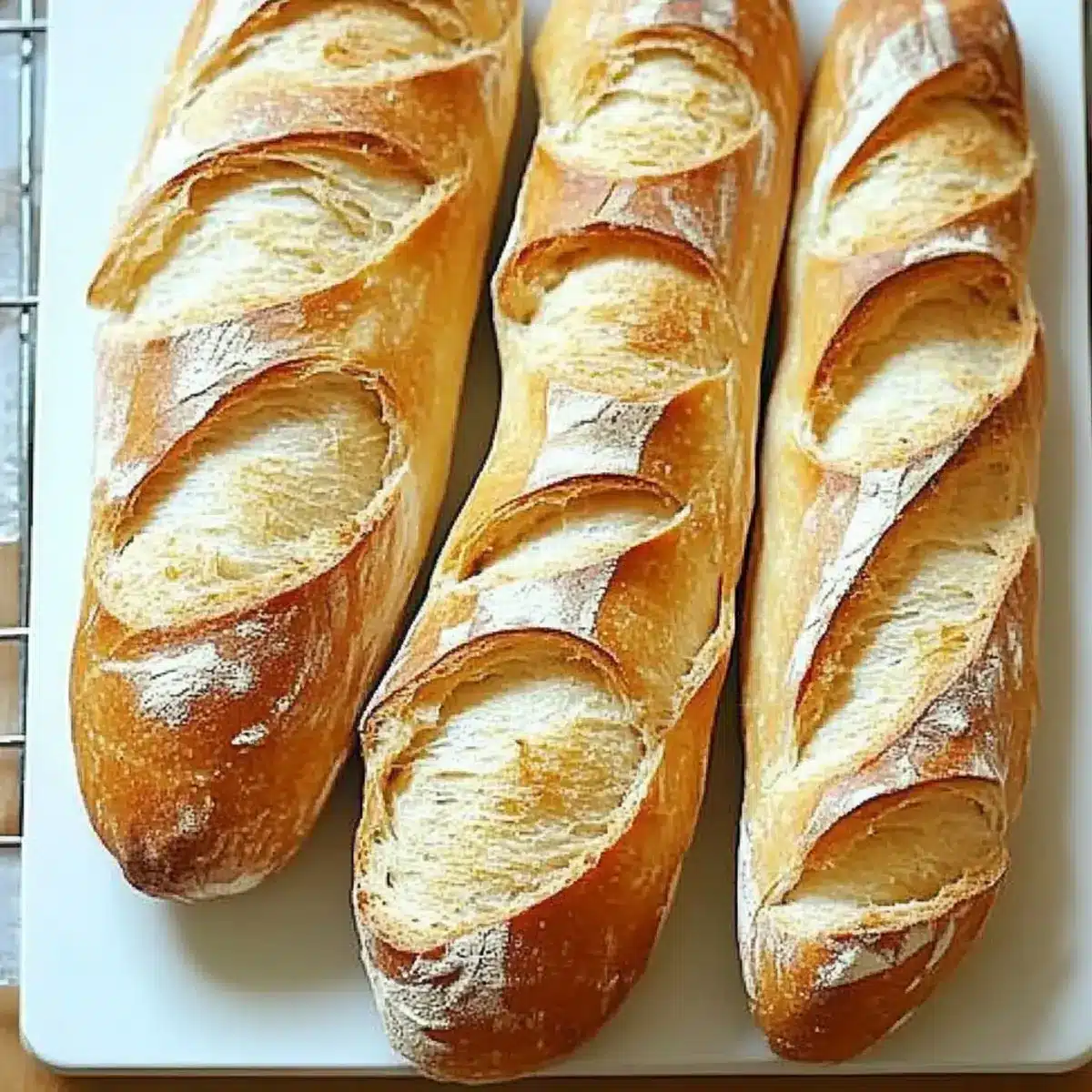
Homemade Baguette Recipe Variations
Feel free to make this homemade baguette recipe your own! Here are some delightful twists to enhance your baking experience.
-
Herb-Infused: Add fresh or dried herbs like rosemary or thyme to the dough for an aromatic boost. The fragrance of baked herbs wafts through the kitchen, creating an inviting atmosphere.
-
Garlic-Studded: Mix in roasted garlic or minced fresh garlic for a savory baguette that complements any meal. Your guests will be begging for the recipe as they savor each flavorful bite.
-
Olive-Enhanced: Incorporate chopped olives for a Mediterranean flair. The briny flavor pairs perfectly with the crusty exterior, creating a loaf that’s perfect for antipasto platters.
-
Whole Wheat Twist: Swap out a cup of all-purpose flour for whole wheat flour to add depth and nuttiness. This simple swap not only enhances the flavor but also adds a healthful touch!
-
Cheesy Delight: Fold in grated cheese like Parmesan or Gruyère into the dough for a rich, savory flavor. Each slice will deliver a cheesy surprise that elevates your baguette game.
-
Spicy Kick: Add crushed red pepper flakes into the dough for those who crave a little heat. This fun addition gives a warming, zesty kick that livens up any meal or snack.
-
Sweet Touch: Sprinkle a little cinnamon and sugar into the dough for a subtly sweet baguette that’s perfect with jam or for breakfast. Pair it with a warm cup of coffee for a delightful start to your day!
-
Nutty Crunch: Mix in sunflower seeds or chopped walnuts into the dough for added texture and flavor. This delightful crunch adds a homemade charm that everyone will love.
With these variations, you can take your baguette from ordinary to extraordinary! And if you’re looking for more inspiration, don’t forget to check out my recipes for Chewy Pumpkin Cookies or Shrimp Dirty Rice for meals that complement your baking adventure!
Make Ahead Options
These homemade baguettes are perfect for busy cooks looking to simplify their meal prep! You can easily prepare the dough up to 24 hours in advance. To do this, after kneading the dough, simply cover it and refrigerate overnight for enhanced flavor. When you’re ready to bake, let the dough come to room temperature before shaping it into baguettes. Additionally, the shaped loaves can rise overnight in the refrigerator—just remember to cover them tightly to prevent drying out. On baking day, follow the remaining steps as usual, and you’ll enjoy freshly baked baguettes with minimal effort, all while saving precious time!
Expert Tips for Homemade Baguette
-
Fresh Ingredients: Ensure your active dry yeast is fresh and properly stored. Old yeast won’t rise effectively, resulting in dense bread.
-
Temperature Matters: Keep your water at around 110°F (43°C) for optimal yeast activation. Too hot or too cold can hinder the rising process.
-
Steam for Crunch: Don’t skip the steaming step! It’s crucial for achieving that classic crispy crust. Use a preheated skillet filled with water at baking time.
-
Sharp Slashing: Use a very sharp knife or a baker’s lame for scoring your dough. Clean cuts allow for proper expansion during baking, enhancing your homemade baguette recipe.
-
Patience is Key: Allow your dough to rise completely during both rises. Insufficient rising can lead to a denser texture, so be patient for those puffy loaves!
How to Store and Freeze Homemade Baguette
Fridge: Store your baguette wrapped in a paper bag for up to 3 days to maintain crustiness; avoid plastic wrap as it can cause sogginess.
Freezer: For longer storage, slice the baguette and wrap it tightly in plastic wrap, then place it in a freezer bag. It can be frozen for up to 3 months.
Reheating: To refresh your homemade baguette, preheat the oven to 375°F (190°C) and warm the baguette for about 10 minutes. This will help restore its crusty exterior.
Room Temperature: If consumed within a day, leave the baguette uncovered on a breadboard for the best texture.
What to Serve with Homemade Baguette
There’s a world of flavors that can elevate your homemade baguette and transform a simple meal into something extraordinary.
-
Creamy Tomato Soup: The rich and tangy flavors perfectly complement the baguette’s crust and offer a comforting experience.
-
Herbed Goat Cheese Spread: This creamy, tangy spread adds a burst of flavor, making a delightful topping that pairs beautifully with the chewy bread.
-
Mixed Green Salad: Crisp greens with a light vinaigrette provide a refreshing contrast to the warm, crusty baguette, brightening your meal.
-
Roasted Garlic Butter: A luscious smear of homemade roasted garlic butter enhances the taste of the baguette, turning each bite into a heavenly indulgence.
-
Charcuterie Board: Serve your baguette alongside cured meats, a variety of cheeses, and olives for an impressively vibrant spread. The contrasting textures add excitement to your palate.
-
Braised Short Ribs: The rich, savory flavor of tender short ribs makes a decadent pairing with the baguette, perfect for soaking up broth and juices.
-
Sparkling White Wine: Crisp, bubbly wine complements the bread’s texture, lightening the meal while enhancing flavors beautifully.
-
Chocolate Mousse: End on a sweet note with a luscious chocolate mousse; the contrast of flavors rounds out a lovely dining experience.
-
Fresh Fruit: A platter of seasonal fruits can brighten up the table, offering a refreshing and light contrast to the hearty baguette.
-
Pumpkin Soup: This seasonal favorite brings an earthy, creamy flavor that pairs delightfully with the baguette, enhancing its rustic charm.
Homemade Baguette Recipe FAQs
What type of flour is best for homemade baguette?
I absolutely recommend using high-quality all-purpose flour, as it provides the essential structure and chewiness that a good baguette needs. For a more rustic flavor, you can also experiment with bread flour, which has a higher protein content, giving you a chewier texture.
How should I store my homemade baguette?
To keep your baguette fresh, store it in a paper bag at room temperature for up to 3 days. This method helps maintain the crust’s crispiness. Avoid plastic wrap, as it traps moisture and causes the bread to become soggy. If you need to keep it longer, you can freeze it.
Can I freeze my leftover homemade baguette?
Definitely! Slice your baguette before freezing for easier use later. Wrap each slice tightly in plastic wrap, then place them in a freezer bag. Your baguette will last in the freezer for up to 3 months. When you’re ready to enjoy it, just pop the slices in a preheated oven at 375°F (190°C) for about 10 minutes to refresh them.
What should I do if my dough doesn’t rise?
If your dough isn’t rising, it could be due to inactive yeast. Make sure your active dry yeast is fresh and properly dissolved in warm water (around 110°F or 43°C). If your dough has risen but doesn’t seem to be puffy, try letting it rise in a warmer location or give it extra time. Warm, moist environments are ideal for yeast activation, so a cozy kitchen corner works wonders!
Can I make variations of this homemade baguette recipe?
Absolutely! Feel free to add herbs like rosemary or thyme into the dough for flavor. You can also mix in roasted garlic or kalamata olives for a savory twist. Just remember to maintain the same ratios of flour, water, yeast, and salt to ensure your baguette still rises beautifully.
Is it safe for my pets?
While homemade baguette ingredients are generally safe for humans, bread isn’t an ideal treat for pets, especially due to the salt content. In small amounts, unseasoned, plain bread may not harm them, but it’s best to stick to pet-approved snacks!
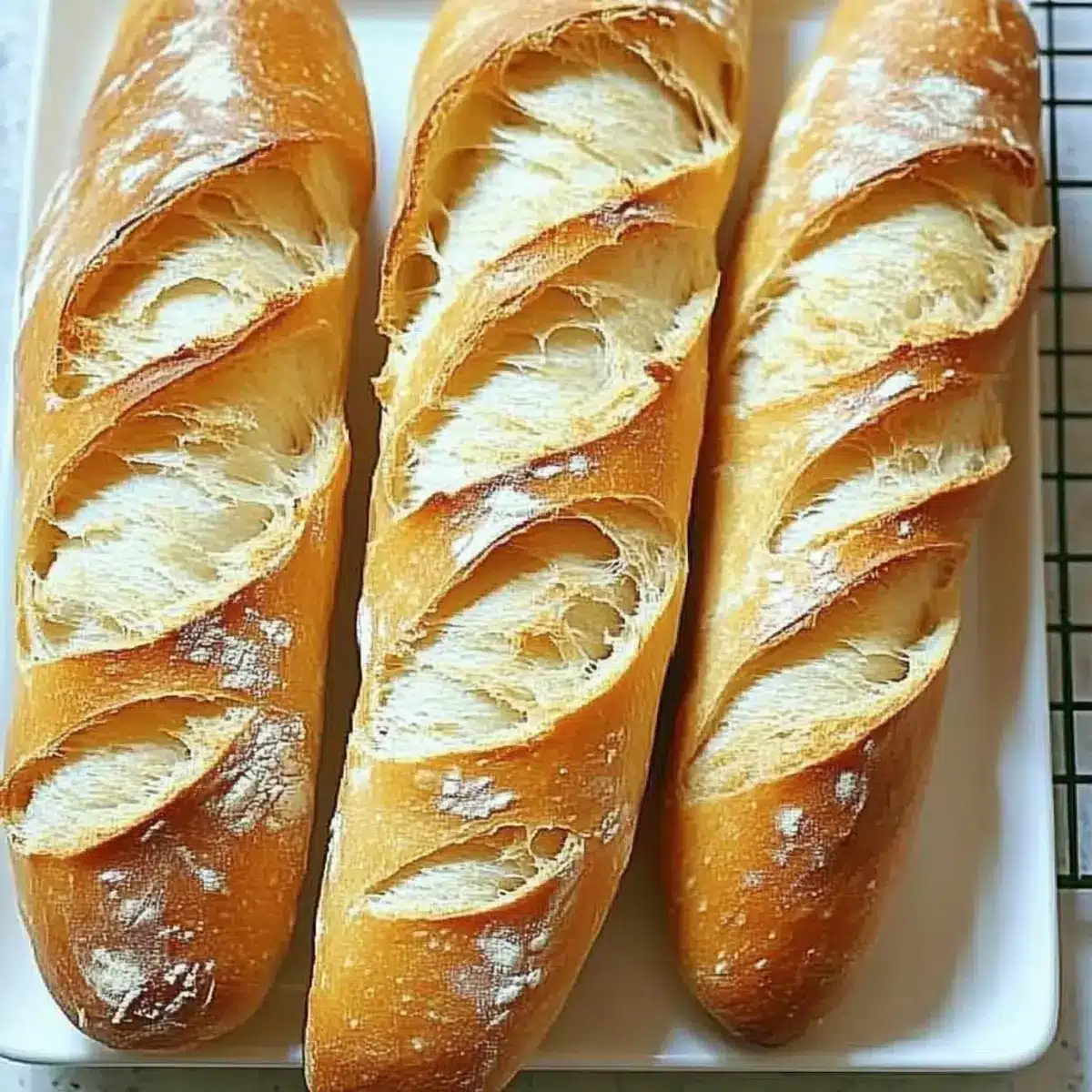
Homemade Baguette Recipe That Will Transform Your Baking Skills
Ingredients
Equipment
Method
- In a large mixing bowl, combine the all-purpose flour, salt, and sugar thoroughly.
- In a separate bowl, dissolve the active dry yeast in warm water, let sit for 5-10 minutes until foamy.
- Pour the yeast mixture into the dry ingredients and stir until a shaggy dough forms.
- Transfer the shaggy dough onto a floured surface and gather it into a ball or mix in a stand mixer until smooth.
- Knead for about 8-10 minutes until the dough is elastic.
- Shape the kneaded dough into a ball, place in a greased bowl, and cover to rise for 1 to 1.5 hours.
- For deeper flavor, cover the bowl and refrigerate for 8-12 hours.
- Once risen, transfer to a floured surface, deflate, and divide into equal pieces to shape into loaves.
- Allow shaped baguettes to rise for 45-60 minutes until puffy.
- Preheat oven to 475°F (245°C) with a skillet on the bottom rack.
- Slash the baguettes and add water to the preheated skillet, then bake for 20-25 minutes.
- Let baked baguettes cool on a wire rack for at least 20 minutes before slicing.
Leave a Reply