
As I sifted through my pantry, a delicate scent wafted up, tinged with lavender’s floral elegance. This inspired me to whip up a Lemon Lavender Cake with Creamy Lavender Frosting that dances between sweet and a hint of herbal freshness. Perfect for any spring gathering or a cozy afternoon tea, this cake is not only a feast for the eyes but also exceptionally simple to prepare—taking just about an hour from start to finish! You’ll love how the lively citrus tang of lemon mingles seamlessly with the soft, aromatic notes of lavender. Trust me, it’s a delightful twist to your dessert repertoire that will impress both friends and family alike. Are you ready to dive into the world of baking that celebrates both flavor and beauty?
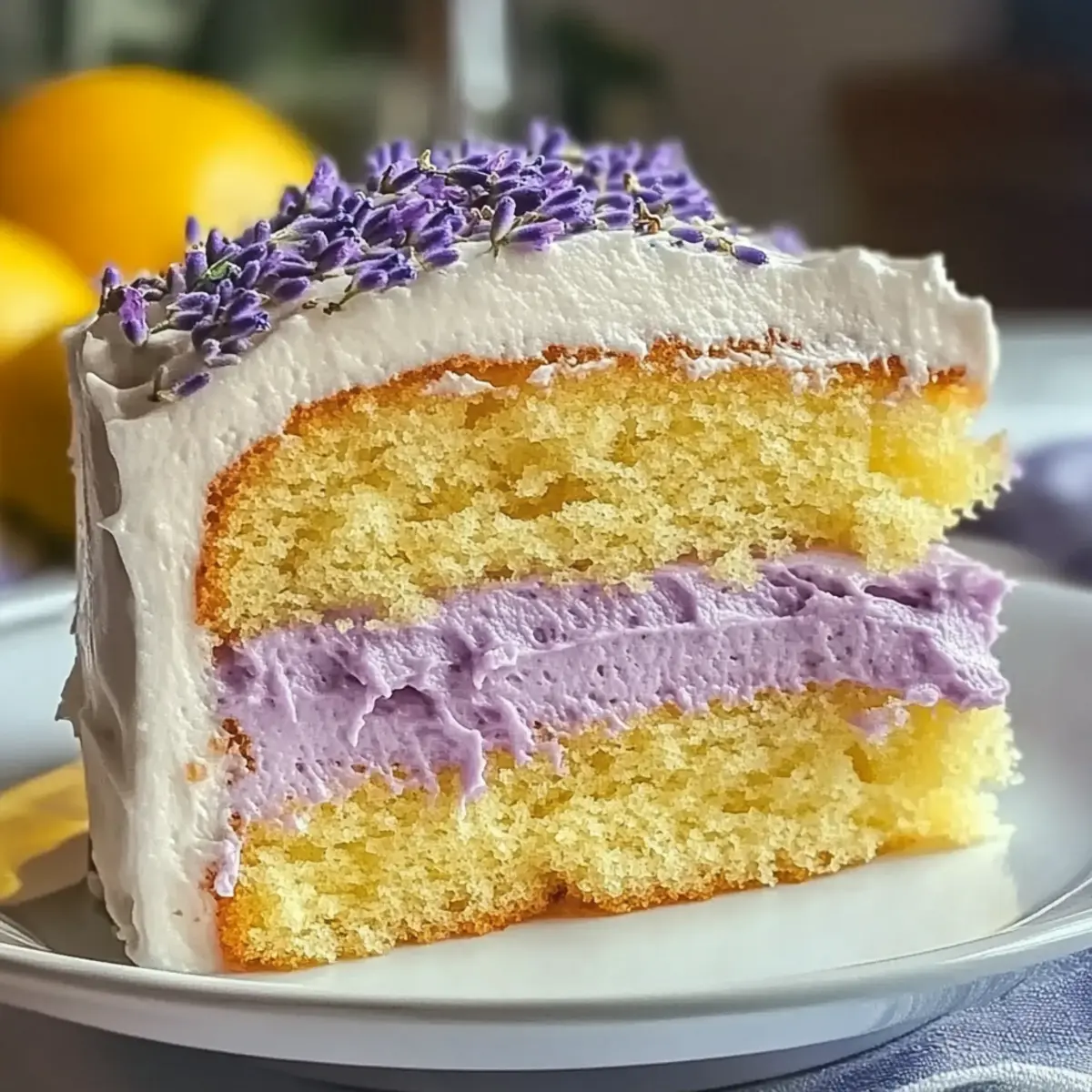
Why is Lemon Lavender Cake a Must-Try?
Unique Flavor Profile: The pairing of zesty lemon with delicate lavender creates a refreshing experience unlike any other.
Quick & Easy: With just an hour of prep and cooking time, you can impress your guests without spending all day in the kitchen.
Perfect for Spring: The light, floral notes make it ideal for spring gatherings or afternoon teas.
Visually Stunning: Topped with creamy lavender frosting, it’s a feast for the eyes, sure to wow anyone at the table.
Adaptable Recipe: Feel free to customize it by adding fresh berries or making a gluten-free version, allowing everyone to enjoy this delightful cake.
If you’re looking for more fabulous dessert ideas, check out my Pumpkin Cheesecake Cookies for a seasonal twist!
Lemon Lavender Cake Ingredients
For the Cake
• Unsalted Butter – Forms the creamy base for the cake batter; use softened butter for easy mixing.
• Granulated Sugar – Provides sweetness and a caramelized crust; substitute with coconut sugar for a more natural option.
• Large Eggs – At room temperature, they provide structure and better incorporation into the batter.
• All-Purpose Flour – Serves as the structural foundation; consider using a gluten-free all-purpose flour blend for a twist.
• Baking Powder – Helps the cake rise; avoid overuse as it can create an off taste.
• Salt – Balances sweetness and enhances overall flavor; use sea salt for a subtler effect.
• Whole Milk – Adds moisture for a tender crumb; substitute with almond milk for a dairy-free version.
• Fresh Lemon Zest – Offers vibrant citrus aromas; opt for organic lemons for the best zest.
• Freshly Squeezed Lemon Juice – Provides a tangy punch; fresh is preferred, but bottled can work in a pinch.
• Finely Ground Culinary Lavender – Lends subtle floral notes; ensure it’s culinary-grade or substitute with extra lemon zest.
• Vanilla Extract – Adds a warm flavor undertone; use pure vanilla extract for the best taste.
For the Creamy Lavender Frosting
• Unsalted Butter – Ensure soft for smooth mixing; it’s the base for a creamy frosting.
• Powdered Sugar – Provides sweetness and helps achieve a fluffy consistency; adjust for desired sweetness.
• Heavy Cream – For a lush, whipped consistency; coconut cream is a great substitute for dairy-free.
• Lemon Extract – Infuses more citrus flavor into the frosting; optional but suggested for added depth.
• Vanilla Extract (Frosting) – Deepens flavor profile; essential for harmonizing with lemon and lavender.
• Finely Ground Culinary Lavender (Frosting) – Adds aromatic floral tones; use sparingly to avoid overpowering.
• Purple Food Coloring (optional) – Adds a pleasing lavender hue; make sure it’s edible and safe for consumption.
Step‑by‑Step Instructions for Lemon Lavender Cake
Step 1: Prepare the Cake Batter
Begin by creaming 1 cup of softened unsalted butter and 2 cups of granulated sugar in a large mixing bowl. Beat them together until the mixture is light and fluffy, which should take about 4-5 minutes. Gradually add in 4 large eggs, mixing well after each addition. In a separate bowl, whisk together 3 cups of all-purpose flour, 1 tablespoon of baking powder, and 1 teaspoon of salt. Alternate adding the dry mixture and 1 cup of whole milk to the butter mixture until just combined. Finally, stir in the zest and juice of 2 lemons, 1 tablespoon of finely ground culinary lavender, and 1 teaspoon of vanilla extract.
Step 2: Bake the Cake
Preheat your oven to 350°F (175°C) while preparing two greased 9-inch round cake pans. Evenly pour the prepared batter into the pans, smoothing the tops with a spatula. Bake for about 30 minutes or until a toothpick inserted into the center comes out clean. Once baked, allow the cakes to cool in the pans for 10 minutes before transferring them to a wire rack to cool completely. Keep an eye on them—it’s important they cool fully before frosting!
Step 3: Make the Frosting
In a mixing bowl, beat 1 cup of softened unsalted butter until creamy and fluffy. Gradually add 4 cups of powdered sugar while mixing on low speed to avoid a cloud of sugar dust. Add in 1/4 cup of heavy cream, 1 teaspoon of lemon extract, 1 teaspoon of vanilla extract, and 1 tablespoon of finely ground culinary lavender. Mix until the frosting is well combined and fluffy in texture. Taste and adjust the sweetness if necessary, adding more powdered sugar if desired.
Step 4: Assemble the Cake
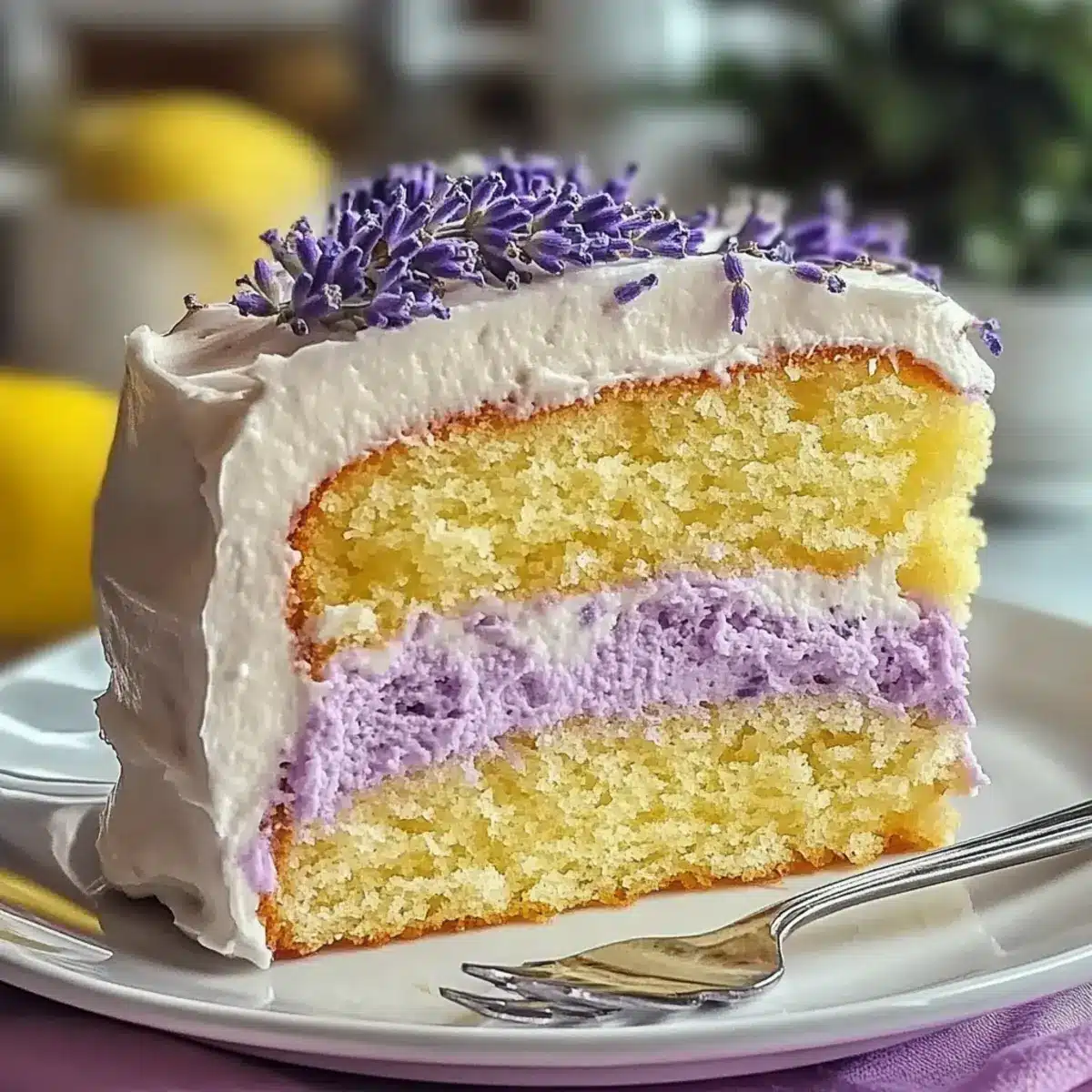
Once your Lemon Lavender Cake layers are completely cool, place one layer on a serving plate. Spread a generous amount of lavender frosting between the layers, smoothing it with a spatula. Stack the second layer on top, and use the remaining frosting to cover the top and the sides of the cake evenly. For a beautiful finishing touch, decorate the top with fresh lavender sprigs or a sprinkle of lemon zest. This stunning cake is a delightful centerpiece sure to impress!
Make Ahead Options
These Lemon Lavender Cake slices are perfect for meal prep enthusiasts! You can prepare the cake layers up to 3 days in advance; simply bake, cool completely, and wrap each layer tightly in plastic wrap before refrigerating. The creamy lavender frosting can also be made and stored in an airtight container in the fridge for up to 3 days. When you’re ready to serve, just take the layers out, assemble the cake, and frost it freshly; this ensures it looks and tastes just as delightful as if made on the same day. This prep method not only saves you time but also allows the flavors to mingle beautifully, making your dessert even more delicious!
Expert Tips for Lemon Lavender Cake
-
Room Temperature Eggs: Ensure your eggs are at room temperature; this helps them blend smoothly into the batter, giving the cake a better texture.
-
Measure Lavender Carefully: Avoid overpowering flavors by finely grating and measuring culinary lavender; too much can dominate the lemon’s bright taste.
-
Cool Completely: Make sure the cakes are completely cool before frosting; frosting a warm cake can cause it to melt and slide off.
-
Taste as You Go: Always taste the frosting and adjust sweetness; remember, the Lemon Lavender Cake’s balance is key to delighting your guests.
-
Use Organic Ingredients: When possible, opt for organic lemons and culinary lavender to enhance the cake’s flavor profile naturally.
-
Experiment with Decor: Feel free to add fresh berries or edible flowers for decoration; it adds a pop of color and elevates the presentation.
How to Store and Freeze Lemon Lavender Cake
Room Temperature: Keep the cake at room temperature for up to 1 day if it’s covered. Ensure it’s wrapped tightly to maintain moisture.
Fridge: Store the Lemon Lavender Cake in an airtight container in the refrigerator for up to 4 days. This helps preserve its succulent flavor and texture.
Freezer: For longer storage, freeze the unfrosted cake layers wrapped in plastic wrap and aluminum foil for up to 3 months. Thaw overnight in the fridge before frosting.
Reheating: To enjoy leftover slices, reheat in the microwave for 10-15 seconds, or allow to come to room temperature on the counter for a refreshed taste.
Lemon Lavender Cake Variations & Substitutions
Feel free to explore your creativity with this recipe and make it your own with these delightful twists!
-
Dairy-Free: Replace whole milk with almond milk and use coconut cream for the frosting for a creamy texture without dairy.
-
Gluten-Free: Swap all-purpose flour with a gluten-free flour blend or almond flour, allowing those with gluten sensitivities to enjoy a slice.
-
Citrus Twist: Substitute lemon zest and juice with orange zest and juice for a sweetly fragrant alternative.
-
Berry Delight: Add fresh raspberries or blueberries between the cake layers for a burst of natural sweetness and vibrant color.
-
Lemon-Lavender Swirls: Marble the frosting with a bit of your favorite lemon curd for an extra citrus punch.
-
Herbal Fusion: Try infusing the cake with fresh mint or basil alongside the lavender for a unique aroma and flavor experience.
-
Spice Up: Add a pinch of ground cinnamon or nutmeg to the batter for a warm spiced twist, reminiscent of a cozy afternoon tea.
-
Nutty Crunch: Fold in some finely chopped almonds or pistachios into the batter for added texture and nutty sweetness.
If you enjoyed this cake, don’t miss out on my scrumptious Peach Cake Brown or try a rich Cinnamon Swirl Bundt Cake for a delightful change!
What to Serve with Lemon Lavender Cake
Imagine delighting your guests with a beautiful, floral dessert, and creating a full meal surrounding its enchanting flavors.
-
Fresh Berries: The juicy sweetness of strawberries or blueberries adds a lovely contrast, enhancing the cake’s aromatic profile. Complementing the floral notes perfectly, they bring a refreshing and colorful touch.
-
Herbed Salad: A mixed greens salad with a lemon vinaigrette will mirror the cake’s citrus tang. Add some goat cheese for creaminess and walnuts for crunch, creating a perfect palate balance.
-
Vanilla Ice Cream: A scoop atop the cake brings creamy texture that melds beautifully with the lemon and lavender, enriching each bite while offering a refreshing contrast.
-
Chamomile Tea: Served either hot or iced, this floral tea will harmonize with the cake’s unique notes, making for a soothing pairing that elevates the dessert experience.
-
Sparkling Lemonade: The bright, bubbly flavors of lemonade will enhance the lemon zest in the cake while adding a celebratory feel to your gathering.
-
Lavender-Infused Cream: Drizzle lavender-infused cream over each slice for an elegant touch, enhancing the cake’s floral theme while adding a sumptuous glaze.
-
Lemon Sorbet: Light and refreshing, this palate cleanser will perfectly transition from the moist cake to enhance the zesty flavors, making it a delight for your taste buds.
-
Almond Biscotti: This crunchy treat serves as a delightful contrast, perfect for dipping into your after-dinner coffee, balancing the airy texture of your Lemon Lavender Cake beautifully.
-
Elderflower Cordial: A splash of this floral drink alongside your cake will elevate the experience, providing a unique sweetness that complements the flavors enticingly.
Lemon Lavender Cake Recipe FAQs
How should I select the lavender for the cake?
Absolutely! It’s essential to use culinary-grade lavender to ensure it’s safe for consumption and results in the best flavor. Look for lavender in specialty shops or the baking aisle of your grocery store. When selecting, opt for lavender that’s vibrant in color, with a comforting, fragrant aroma. If you can’t find culinary lavender, consider increasing the lemon zest slightly for a brighter flavor instead.
What is the best way to store Lemon Lavender Cake?
The best method is to keep it in an airtight container in the refrigerator. It will stay fresh for up to 4 days. If you want to enjoy it at room temperature, you can keep it covered at room temperature for 1 day. Just be sure to wrap it tightly so it retains its moisture!
Can I freeze Lemon Lavender Cake, and if so, how?
Very! To freeze the Lemon Lavender Cake, wrap unfrosted cake layers in plastic wrap and aluminum foil tightly to prevent freezer burn. You can store them like this for up to 3 months. When you’re ready to enjoy, thaw them in the refrigerator overnight before frosting or enjoy as is. This way, you can savor a slice when you’re craving it!
What should I do if the cake doesn’t rise properly?
If your Lemon Lavender Cake doesn’t rise, it could be due to a couple of factors. First, check that your baking powder is fresh—old baking powder can lose its potency. Make sure you’re mixing well enough to incorporate air into the batter and not overmixing after adding the flour, as that can make the cake dense. Lastly, starting with room temperature ingredients helps create a lighter cake!
Is this Lemon Lavender Cake suitable for people with allergies?
While this cake is delightful, remember it contains common allergens like eggs and dairy. If you have guests with dietary restrictions, you can make it dairy-free by substituting the butter and milk with dairy-free options (like coconut oil and almond milk). For a gluten-free version, just use a gluten-free flour blend! It’s always best to inquire about individual allergies for unexpected ingredients.
How long should I let the cake cool before frosting?
It’s crucial to let the layers cool completely—this typically takes about 1 hour after taking them out of the oven. Frosting a warm cake can make the frosting melt, affecting both the look and taste. Cooling completely allows you to create a gorgeous finish and keeps the cake from becoming soggy.
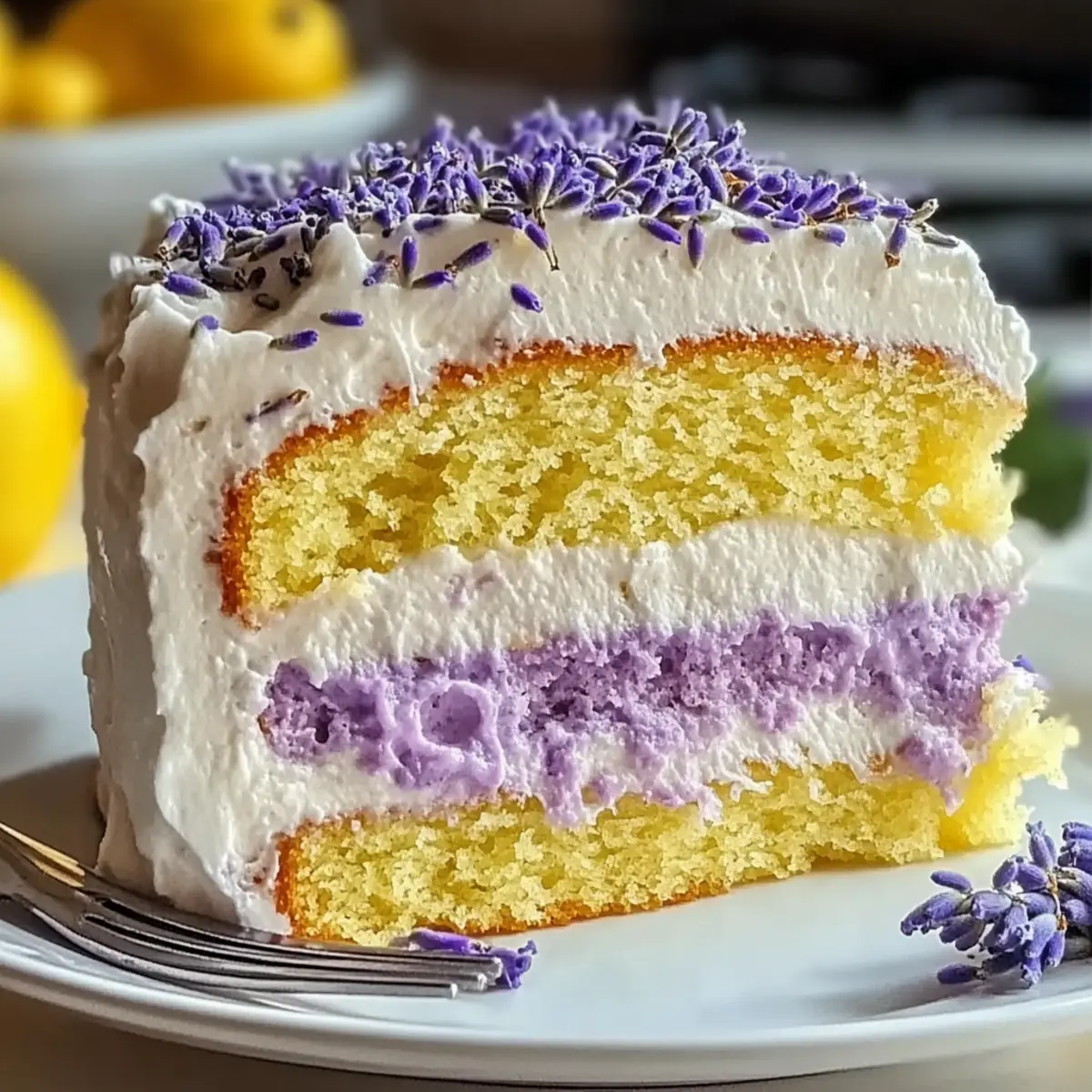
Lemon Lavender Cake: A Slice of Floral Sunshine Bliss
Ingredients
Equipment
Method
- Begin by creaming 1 cup of softened unsalted butter and 2 cups of granulated sugar in a large mixing bowl until light and fluffy, about 4-5 minutes. Gradually add 4 large eggs, mixing well after each addition.
- In a separate bowl, whisk together 3 cups of all-purpose flour, 1 tablespoon of baking powder, and 1 teaspoon of salt. Alternate adding the dry mixture and 1 cup of whole milk to the butter mixture until just combined. Finally, stir in the zest and juice of 2 lemons, 1 tablespoon of finely ground culinary lavender, and 1 teaspoon of vanilla extract.
- Preheat your oven to 350°F (175°C) and prepare two greased 9-inch round cake pans. Evenly pour the prepared batter into the pans and smooth the tops. Bake for about 30 minutes or until a toothpick inserted into the center comes out clean.
- Allow the cakes to cool in the pans for 10 minutes before transferring them to a wire rack to cool completely.
- In a mixing bowl, beat 1 cup of softened unsalted butter until creamy. Gradually add 4 cups of powdered sugar while mixing on low speed. Add 1/4 cup of heavy cream, 1 teaspoon of lemon extract, 1 teaspoon of vanilla extract, and 1 tablespoon of finely ground culinary lavender. Mix until fluffy.
- Once the cake layers are completely cool, place one layer on a serving plate. Spread lavender frosting between the layers, then stack the second layer on top. Use remaining frosting to cover the top and sides of the cake evenly.
- Decorate the top with fresh lavender sprigs or a sprinkle of lemon zest for a beautiful finishing touch.
Leave a Reply