
As I stood over the stove, that familiar, savory aroma enveloped the kitchen, whisking me away to the bustling streets of Seoul. Today, I’m excited to share my recipe for Spicy Korean Gochujang Beef Noodles, a dish that effortlessly combines the comfort of homemade food with a fiery twist that’s sure to excite your taste buds. With quick prep time and adaptable protein options—from tender beef to crispy tofu—this meal is a crowd-pleaser for families and dinner guests alike. Picture a delightful balance of chewy noodles, vibrant vegetables, and a robust gochujang sauce that brings warmth and a satisfying kick to every bite. Ready to spice things up in your kitchen? Let’s dive into this delicious journey together!
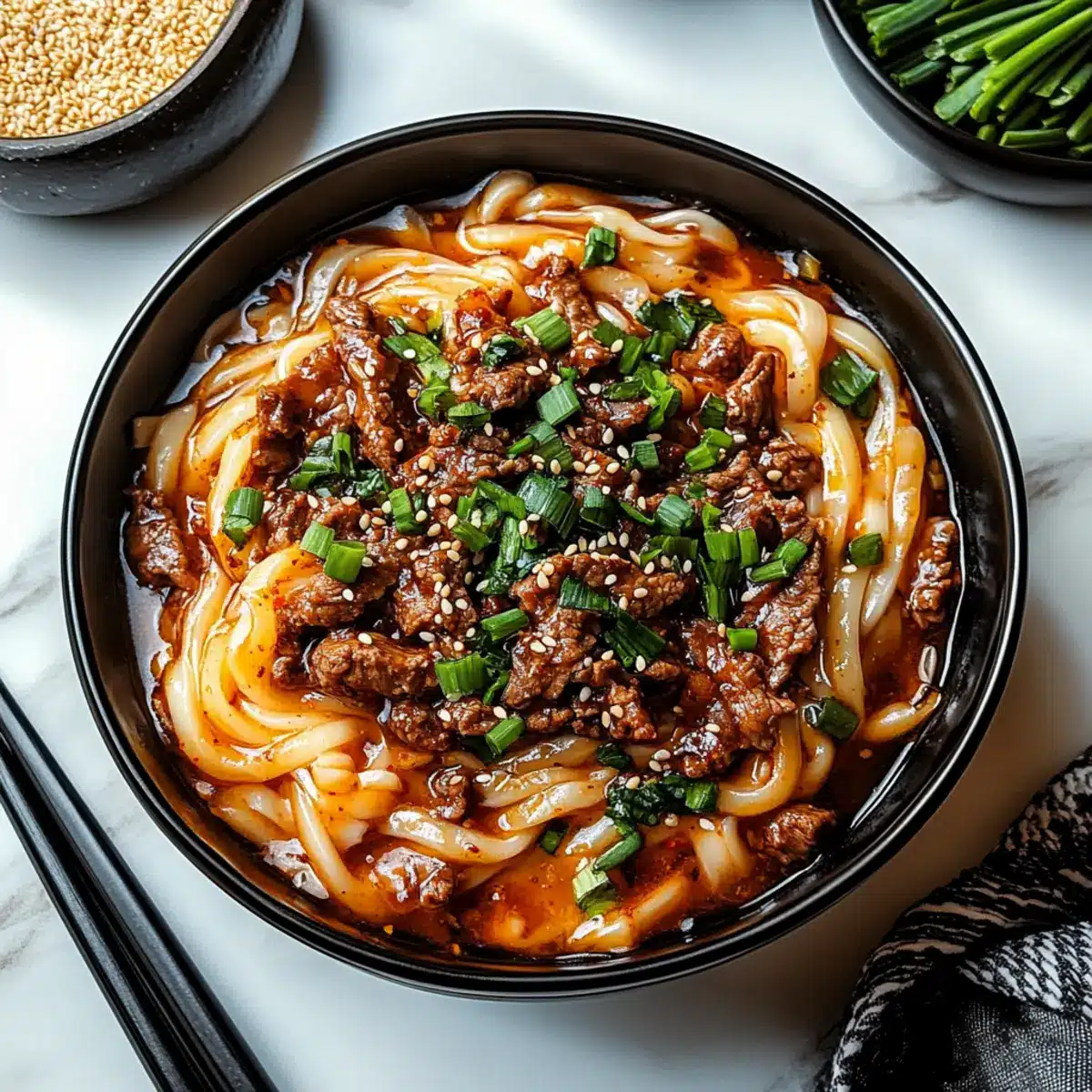
Why Are These Noodles a Must-Try?
Unforgettable Flavor: The robust gochujang sauce brings an addictive heat, making every bite a flavorful adventure.
Quick & Easy: With a prep and cook time of just 30 minutes, it’s perfect for busy weeknights!
Versatile Options: Swap beef for chicken, pork, shrimp, or tofu to fit any preference and make it your own.
Crowd-Pleasing Appeal: This dish is a guaranteed hit at family dinners and gatherings—everyone will be coming back for seconds!
Authentic Experience: Bringing the taste of Korean cuisine into your home makes mealtime an exciting cultural journey.
Pair it with a side of pickled vegetables or even a bowl of spicy kimchi, and you’ve got a complete meal that’s sure to impress!
Spicy Korean Gochujang Beef Noodles Ingredients
For the Beef
• Beef Sirloin – Tender and cooks quickly, providing a hearty protein base; swap in chicken or tofu for a lighter option.
• Vegetable Oil – Used for sautéing the beef and vegetables; can substitute with canola or sesame oil for added flavor.
For the Vegetables
• Garlic (3 cloves, minced) – Adds depth and fragrance; fresh is best, but dried garlic works in a pinch.
• Onion (1, sliced) – Provides sweetness and texture; yellow onion is ideal, or use shallots instead.
• Red Bell Pepper (1, sliced) – Adds color and slight sweetness; any bell pepper or snap peas can be substituted.
For the Sauce
• Soy Sauce (1/4 cup) – Supplies salty umami flavor; tamari is perfect for a gluten-free option.
• Brown Sugar (2 tablespoons) – Balances out the spicy flavors; honey or maple syrup can serve as alternatives.
• Gochujang (2 tablespoons) – The star ingredient that provides heat and depth; adjust based on your spice preference.
• Sesame Oil (1 tablespoon) – Enhances the dish with a nutty flavor; use for an authentic taste, though it’s optional.
• Rice Vinegar (1 tablespoon) – Adds acidity to balance flavors; white wine vinegar can be used as a substitute.
For the Noodles
• Cooked Noodles (8 ounces) – The main carbohydrate source; use your favorite noodles, such as rice noodles or spaghetti.
For Garnish
• Sesame Seeds – Adds crunch and visual appeal; can be substituted with chopped peanuts or almonds.
• Sliced Green Onions – Offers freshness and color; sprinkle generously for a pleasing finish.
Enjoy the preparation of these Spicy Korean Gochujang Beef Noodles; they promise to tantalize your taste buds!
Step‑by‑Step Instructions for Spicy Korean Gochujang Beef Noodles
Step 1: Prep Ingredients
Begin by gathering your ingredients for the Spicy Korean Gochujang Beef Noodles. Thinly slice the beef sirloin into bite-sized pieces, mince the garlic, and slice the onion and red bell pepper. Additionally, cook the noodles according to the package instructions until they are al dente, then drain and set aside. Having everything prepped will streamline the cooking process.
Step 2: Cook Beef
In a large skillet, heat 2 tablespoons of vegetable oil over medium-high heat. Once hot, add the sliced beef in a single layer; cook for about 3-4 minutes or until browned and cooked through. Stir occasionally for even cooking. Once done, remove the beef from the skillet and set it aside on a plate to rest, keeping the flavorful juices in the skillet.
Step 3: Sauté Vegetables
In the same skillet, add the minced garlic and sliced onion, sautéing for about 2-3 minutes until fragrant and the onions become translucent. Then, add the sliced red bell pepper to the skillet, cooking for an additional 2 minutes until they soften slightly but still retain their vibrant color. The vegetables should look glossy and aromatic.
Step 4: Mix Sauce
While the vegetables are cooking, prepare the sauce in a small bowl. Combine 1/4 cup of soy sauce, 2 tablespoons of brown sugar, 2 tablespoons of gochujang, 1 tablespoon of sesame oil, and 1 tablespoon of rice vinegar. Whisk the mixture until smooth, ensuring the sugar dissolves completely; the sauce should have a vibrant red color with a glossy texture.
Step 5: Combine Ingredients
Pour the sauce mixture into the skillet with the sautéed vegetables. Stir well to coat the vegetables evenly and allow it to bubble gently for about 1-2 minutes, letting the flavors deepen. Return the cooked beef to the skillet, tossing everything together until the beef is thoroughly coated with the rich sauce, encapsulating the essence of Spicy Korean Gochujang Beef Noodles.
Step 6: Add Noodles
Next, fold in the cooked noodles into the skillet, tossing them with the beef and vegetables to ensure an even coating of sauce. Cook for an additional 2-3 minutes over medium heat until everything is heated through, and the noodles begin to absorb some of the sauce. The dish should look glossy and enticing, with vibrant colors.
Step 7: Garnish & Serve
Remove the skillet from heat and prepare to serve your Spicy Korean Gochujang Beef Noodles. Garnish generously with sesame seeds and sliced green onions for a fresh crunch and visual appeal. Serve it immediately while it’s hot, and revel in the delightful aroma and vibrant colors that promise an unforgettable meal.
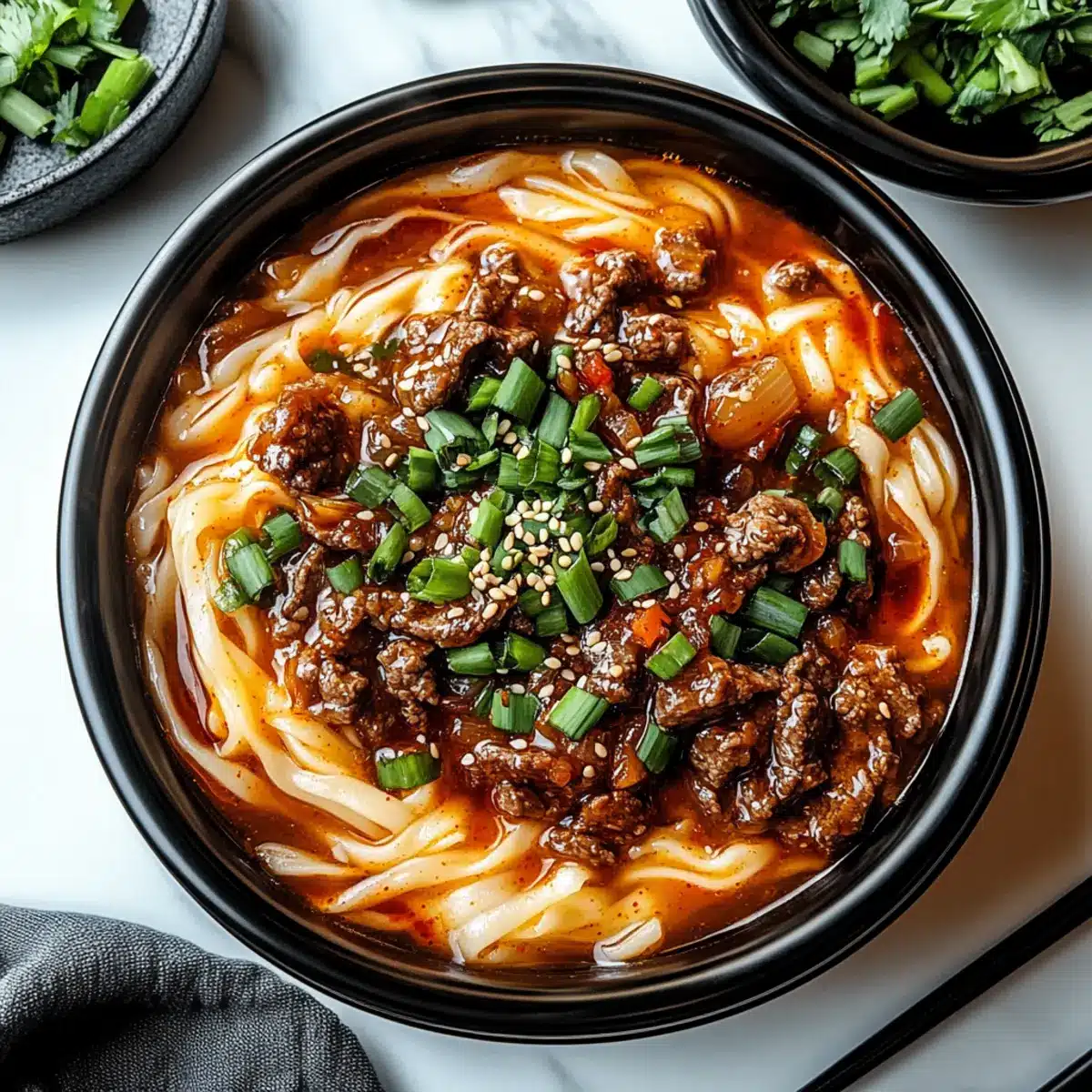
What to Serve with Spicy Korean Gochujang Beef Noodles
Elevate your meal experience with these delightful side dishes and drinks that beautifully complement the flavors of your noodle feast.
-
Kimchi: A traditional Korean side dish that adds a tangy, spicy crunch, perfectly balancing the heat in the noodles.
-
Pickled Vegetables: These vibrant, tangy bites enhance the meal with a refreshing contrast to the savory flavors in your noodles.
-
Steamed Broccoli: Lightly steamed, this offers a satisfying crunch and vibrant color, pairing well with the spiciness of the dish.
-
Cucumber Salad: Crisp and refreshing, a light salad dressed in sesame oil and vinegar can provide a lovely cooling effect alongside the heat.
-
Sesame Crusty Bread: Perfect for soaking up the rich sauce, a slice of warm, crusty bread is comforting and satisfying.
-
Cold Soju: This Korean spirit is smooth and clean, making it an excellent choice to cool off the palate while enjoying the noodles.
-
Fruit Sorbet: A scoop of fruity sorbet serves as a delightful, refreshing dessert that cleanses the palate after a spicy meal.
Pair these suggestions with your Spicy Korean Gochujang Beef Noodles for a memorable dining experience!
Make Ahead Options
These Spicy Korean Gochujang Beef Noodles are perfect for busy weeknights if you want to save time! You can slice the beef and chop the vegetables up to 24 hours in advance, storing them in airtight containers in the fridge to keep them fresh. Additionally, mix the sauce ingredients and refrigerate it—this helps the flavors meld beautifully. When you’re ready to serve, cook the noodles fresh, as they taste best that way. Toss everything together in a skillet on medium heat for about 5-7 minutes, and you’ll have a delicious meal ready to enjoy with minimal effort!
Expert Tips for Spicy Korean Gochujang Beef Noodles
• Adjust Spice Level: For a milder dish, start with less gochujang and gradually add more to suit your taste.
• Noodle Cooking: Ensure noodles are cooked al dente to maintain their texture when mixed with the sauce. Overcooked noodles can become mushy.
• High Heat Preference: Use a high heat setting when sautéing beef for optimal browning; this enhances the dish’s flavor.
• Fresh Ingredients: Fresh vegetables enhance the dish’s overall flavor and texture. Avoid using wilted or aged produce.
• Storage Tips: For leftovers, store in an airtight container. Reheat gently to maintain the dish’s integrity and avoid sogginess.
• Storage Duration: Enjoy your Spicy Korean Gochujang Beef Noodles within 3-4 days for the best flavor.
Storage Tips for Spicy Korean Gochujang Beef Noodles
Fridge: Store leftover Spicy Korean Gochujang Beef Noodles in an airtight container for up to 3-4 days. This keeps them fresh while retaining flavors.
Freezer: For extended storage, freeze portions in freezer-safe bags, removing as much air as possible. They can last in the freezer for up to 2 months.
Reheating: When ready to enjoy, thaw in the fridge overnight, then gently reheat in a skillet over medium heat until warmed through, adding a splash of water if needed.
Serving Size: It’s a great idea to divide the dish into single servings before freezing for a quick and convenient meal option later on!
Spicy Korean Gochujang Beef Noodles Variations
Feel free to get creative and customize your dish with these exciting twists to enhance your Spicy Korean Gochujang Beef Noodles!
- Dairy-Free: Use coconut aminos instead of soy sauce for a sweet and savory twist without any dairy.
- Gluten-Free: Substitute traditional noodles with gluten-free rice noodles or zucchini noodles for a wholesome alternative.
- Spicy Kick: Add fresh sliced jalapeños or a dash of chili flakes to crank up the heat, bringing an exhilarating experience to each bite.
- Protein Swap: Switch out beef for shrimp or tofu to cater to different dietary preferences while maintaining that delectable flavor.
- Vegetable Boost: Incorporate more veggies like bok choy or broccoli for added nutrients and a beautiful array of colors—think of it as a veggie garden expanding in your bowl!
- Wrap It Up: Serve the noodles in crisp lettuce leaves for a fun, low-carb alternative that adds a delightful crunch and freshness.
- Cold Noodle Salad: If you have leftovers, toss them in a light sesame dressing with shredded cucumbers and carrots for a refreshing next-day meal. Perfect for hot summer days!
Pair your meal with some spicy kimchi or try it alongside Blackened Catfish with Spicy Cheese Grits for an extra flavor adventure that everyone will enjoy!
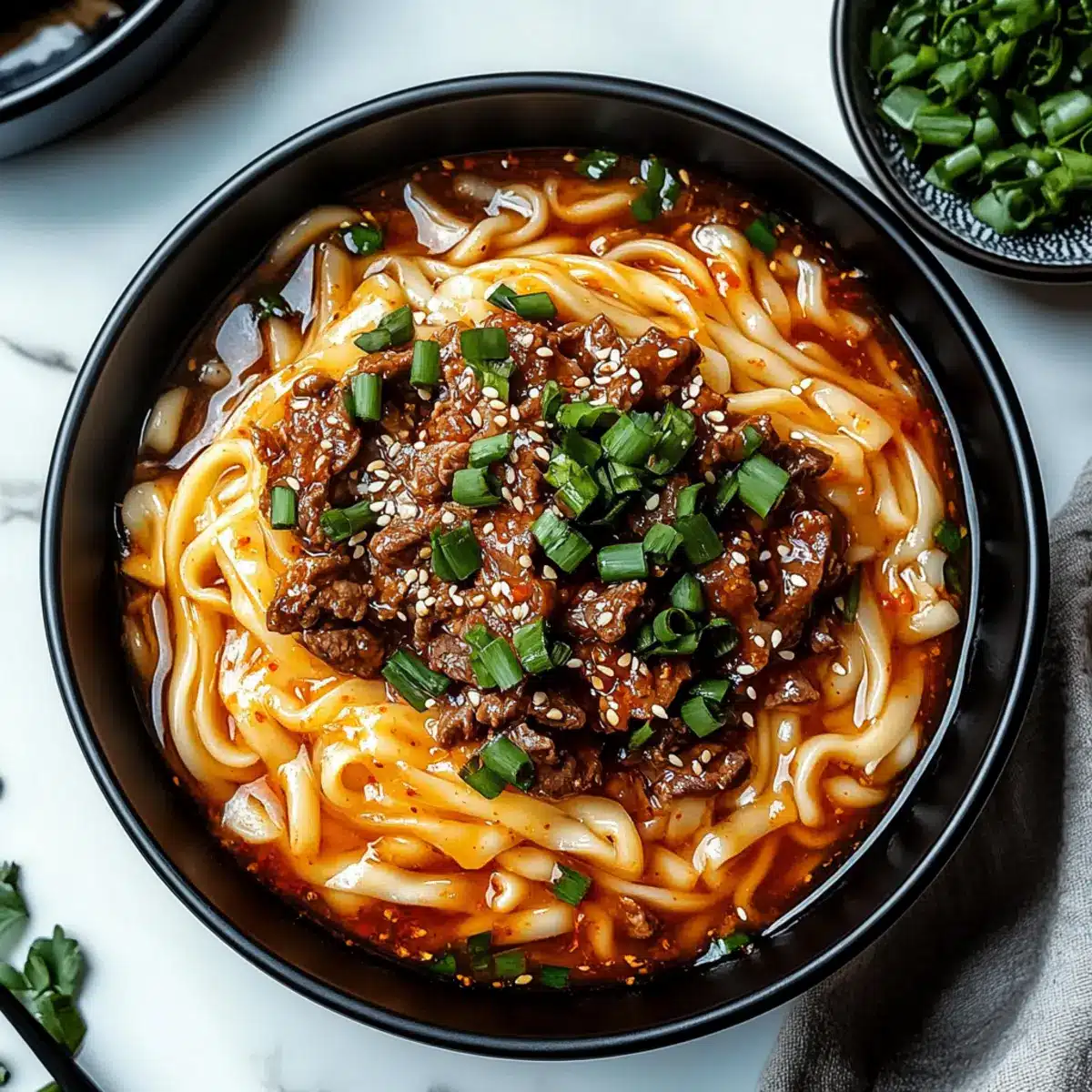
Spicy Korean Gochujang Beef Noodles Recipe FAQs
How do I choose the right beef for this dish?
Absolutely! Look for beef sirloin, which is tender and cooks quickly, giving you that perfect hearty base. If it’s not available, chicken or tofu are excellent options that add a different flavor profile while keeping the dish satisfying.
What’s the best way to store leftovers?
You’ll want to store leftover Spicy Korean Gochujang Beef Noodles in an airtight container in the fridge for up to 3-4 days. This keeps the flavors intact while ensuring freshness. If you want to enjoy them longer, freezing is a great option!
How can I freeze this dish properly?
To freeze, let the noodles cool completely, then portion them into freezer-safe bags or containers. Be sure to remove as much air as possible before sealing. They can stay in the freezer for up to 2 months. When you’re ready to eat, just thaw in the fridge overnight and reheat gently in a skillet.
What should I do if my sauce is too thick or too spicy?
If your sauce is too thick, add a splash of water or more soy sauce to loosen it up. For spice, try balancing the heat by adding a bit more brown sugar or honey; this will help mellow out the flavors without losing that fabulous gochujang kick.
Are there any dietary considerations I should be aware of?
Yes! If you’re cooking for someone with gluten sensitivities, use tamari as a gluten-free soy sauce alternative. Additionally, if you have pets, avoid sharing any leftover meals that contain onion and garlic, as they can be harmful to them.
Can I substitute vegetables in this recipe?
Certainly! Feel free to swap in your favorite vegetables based on what you have on hand. Broccoli, snap peas, or even carrots add a wonderful crunch and vibrant color to your dish. The more the merrier when it comes to veggies!
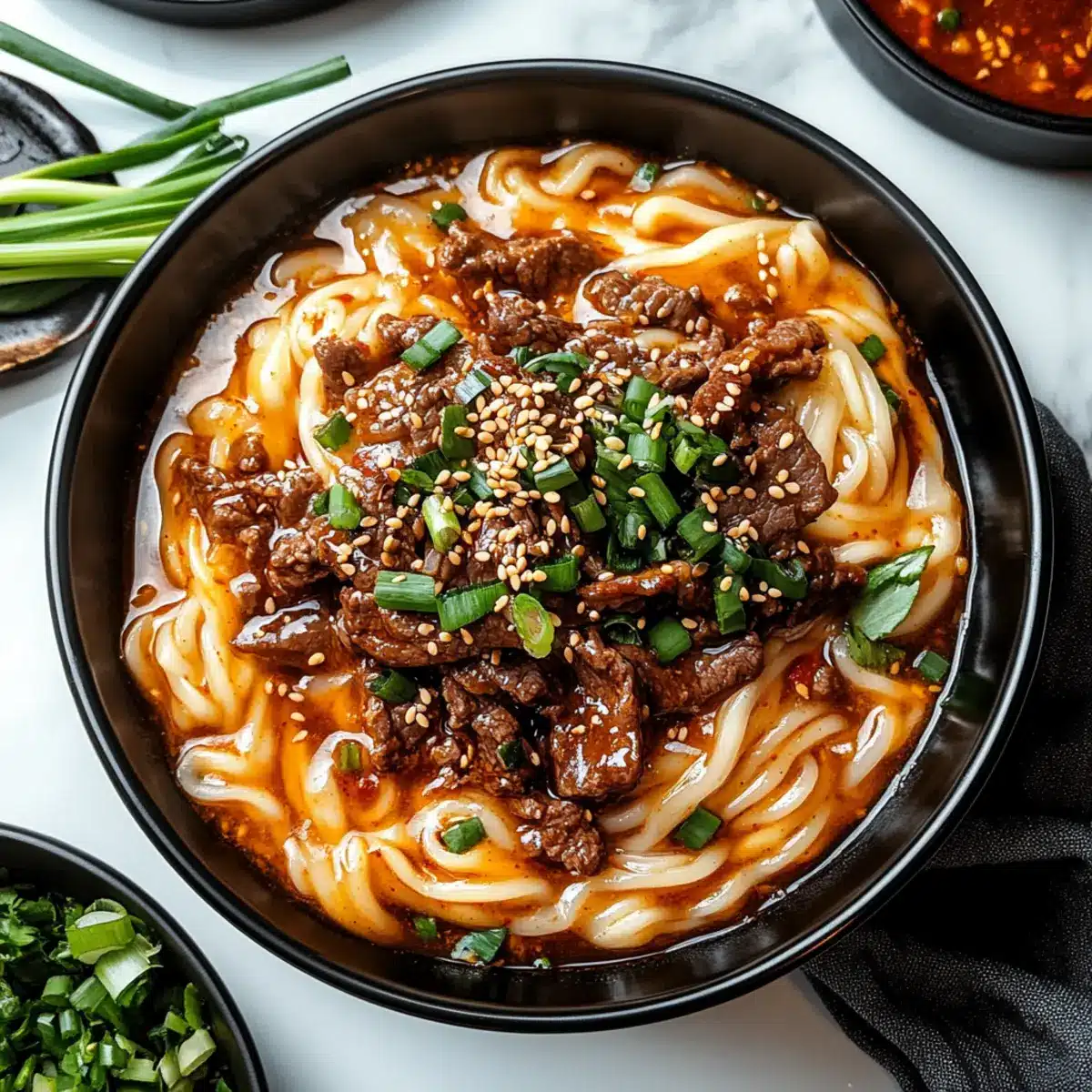
Spicy Korean Gochujang Beef Noodles You'll Crave Every Time
Ingredients
Equipment
Method
- Prep Ingredients: Thinly slice the beef sirloin, mince the garlic, and slice the onion and red bell pepper. Cook noodles until al dente and set aside.
- Cook Beef: Heat vegetable oil in a skillet over medium-high heat. Add sliced beef and cook until browned, about 3-4 minutes.
- Sauté Vegetables: In the same skillet, add garlic and onion, sautéing until fragrant. Add red bell pepper and cook for 2 more minutes.
- Mix Sauce: In a small bowl, combine soy sauce, brown sugar, gochujang, sesame oil, and rice vinegar. Whisk until smooth.
- Combine Ingredients: Pour the sauce into the skillet with vegetables. Stir well and return the cooked beef to the skillet.
- Add Noodles: Fold in cooked noodles into the skillet, tossing with beef and vegetables. Heat through.
- Garnish & Serve: Garnish with sesame seeds and green onions. Serve hot and enjoy!
Leave a Reply