
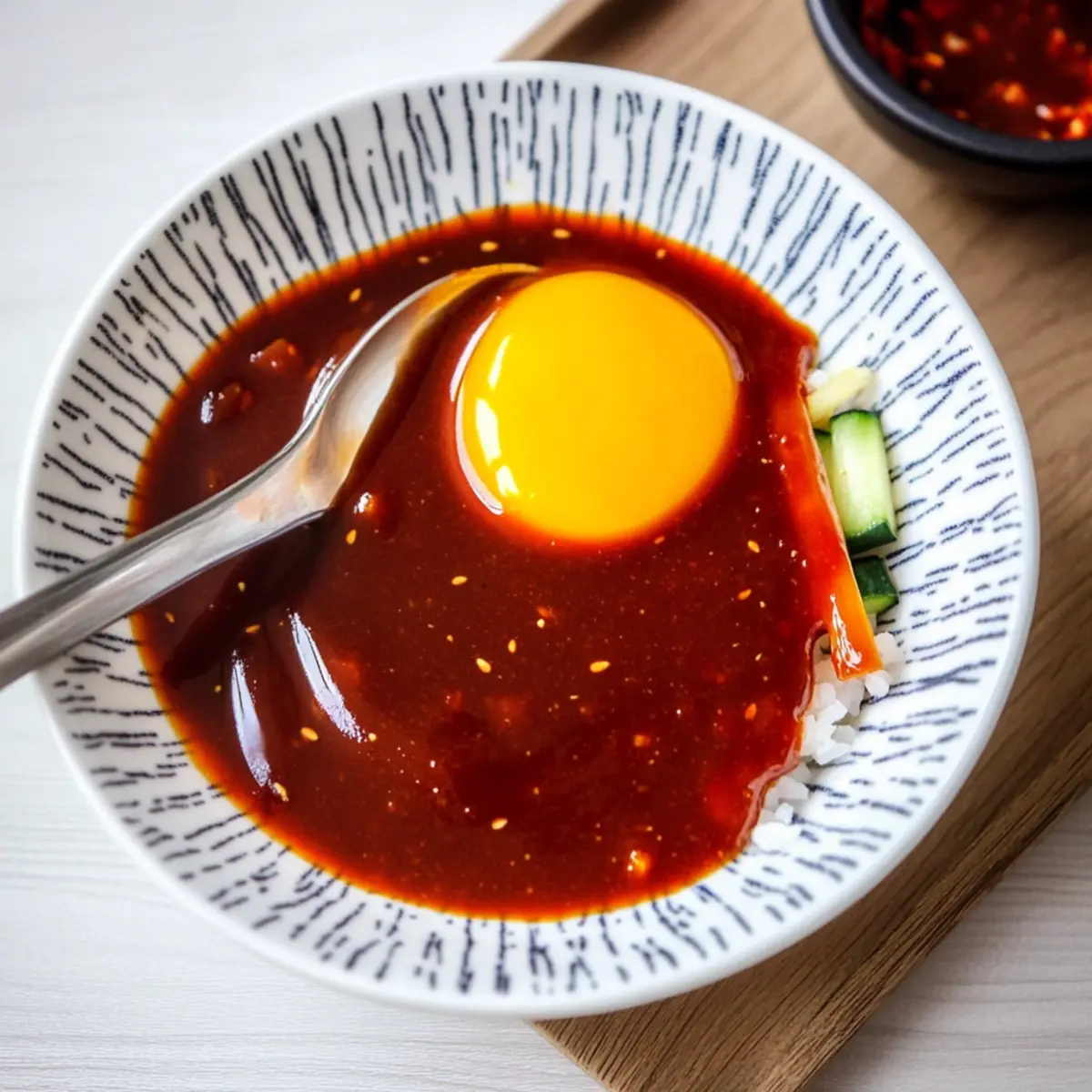
A smooth, glossy sauce, vibrant with a deep red hue, is essential when elevating your dinner to something extraordinary. Today, I’m excited to share my recipe for Easy 6-Ingredient Bibimbap Sauce—an authentic Korean flavor bomb that you can whip up in just 5 minutes! This versatile bibimbap sauce not only packs a punch with its ideal balance of sweet, spicy, and salty, but it’s also fully adaptable to suit your personal taste. Want it milder? Just dial back the heat! With only six pantry staples, it’s both quick and easy to make, perfect for busy weeknights when your mouth is set on homemade goodness. So, how will you use it—over a warm bowl of rice, fresh vegetables, or something entirely your own?
Why is Bibimbap Sauce a Game Changer?
Quick and Easy: In just 5 minutes, you can whip up this delicious sauce with only six ingredients, making it a perfect addition to any weeknight meal.
Tailored to You: You get to control the spice level, adjusting the gochujang to suit your palate, or even swapping in agave for a vegan touch.
Versatile Bliss: This bibimbap sauce is not just for rice bowls! Drizzle it over your sautéed veggies or mix it into salads for an umami kick, and don’t forget to pair it with your favorite kimchi.
Authentic Taste: Delivering that genuine Korean flavor, this sauce is a sure way to impress family and friends while tangling their taste buds in homemade delight.
Health-Conscious Option: Low in calories but high in flavor, it makes for a guilt-free enhancement to any dish. To take your meals to the next level, check out my recipes for Meatballs Lemon Sauce or Cod Potatoes Sauce for more homemade flavor!
Bibimbap Sauce Ingredients
For the Sauce
- Gochujang – the heart of this bibimbap sauce, providing a delightful heat and depth; reduce for a milder flavor.
- Garlic, minced – infuses the sauce with aromatic pungency; always opt for fresh garlic for an unbeatable taste.
- Toasted sesame oil – lends a rich, nutty flavor; regular sesame oil won’t achieve the same depth, so stick to toasted.
- Honey – balances the spice with a touch of sweetness; swap with agave nectar for a vegan alternative.
- Sugar – enhances the sweetness; feel free to adjust or omit based on your personal preference.
- Rice vinegar – adds a tangy acidity that harmonizes all flavors; apple cider vinegar works well as a substitute.
- Salt (optional) – elevates the overall flavor; use sparingly to suit your taste buds.
Step‑by‑Step Instructions for Bibimbap Sauce
Step 1: Gather Ingredients
Start by assembling all your ingredients for the bibimbap sauce: gochujang, minced garlic, toasted sesame oil, honey, sugar, rice vinegar, and optional salt. Measure each ingredient out, ensuring you have everything ready within reach. This will make the mixing process smooth and efficient, allowing you to create your sauce in just minutes.
Step 2: Combine Ingredients
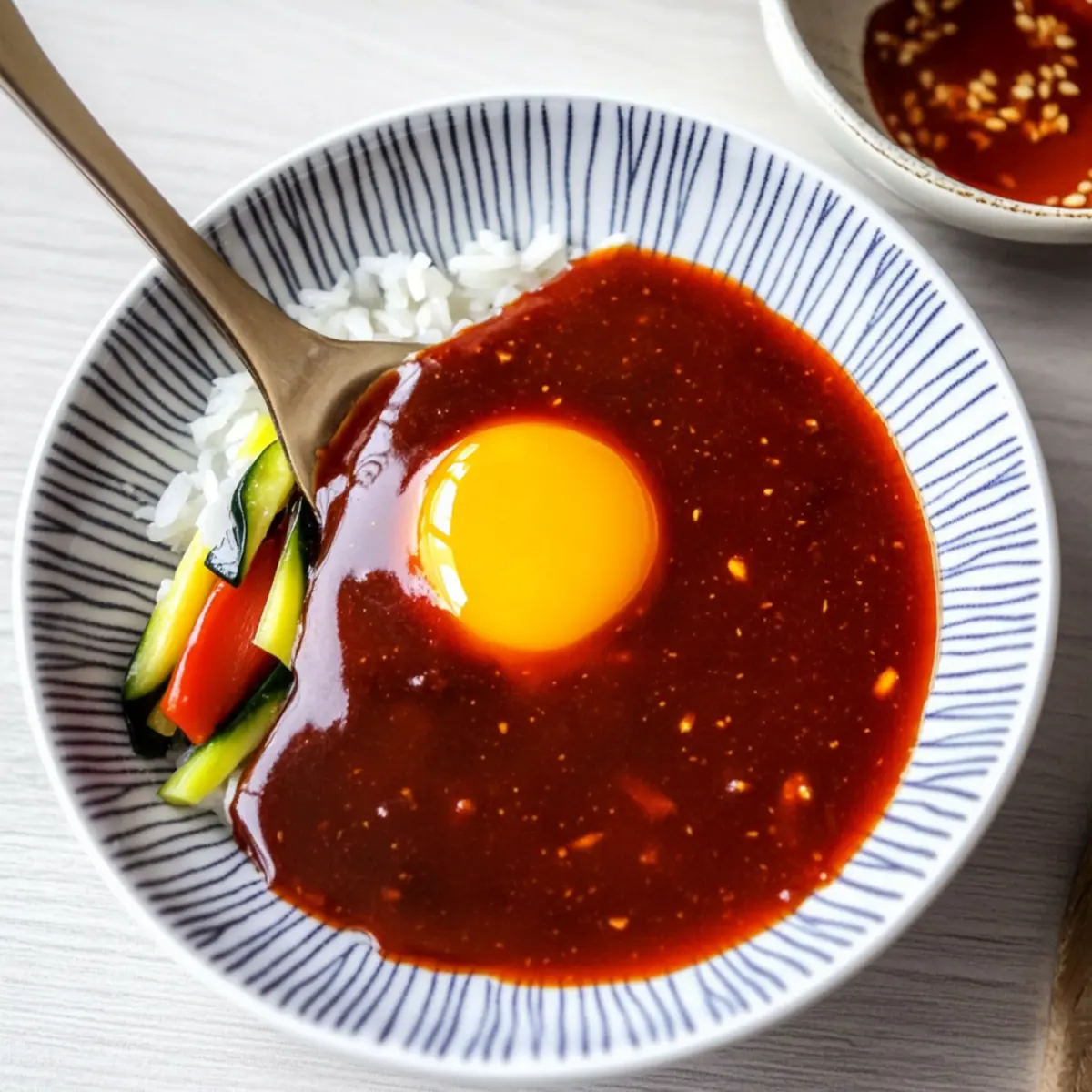
In a medium mixing bowl, add the gochujang, minced garlic, toasted sesame oil, honey, sugar, and rice vinegar. You can use a whisk or a fork to combine everything for an even texture. As you mix, you’ll notice the vibrant color of the gochujang turning into a glossy, rich red sauce that promises to bring depth to your dishes.
Step 3: Adjust to Taste
After thoroughly combining, take a moment to taste your bibimbap sauce. If you prefer a milder version, consider reducing the amount of gochujang or adding a bit more honey to balance the spice. If you enjoy it extra tangy, a splash more of rice vinegar will enhance the flavor profile beautifully.
Step 4: Serve or Store
Once you’ve perfected the flavor, you can serve the bibimbap sauce immediately over a warm bowl of rice or sautéed veggies. If you’re not using it right away, transfer it to a clean glass container with a tight lid. Properly sealed, this sauce can be refrigerated for up to two weeks, allowing you to enjoy the authentic taste of Korean cuisine whenever you please.
Step 5: Final Touches
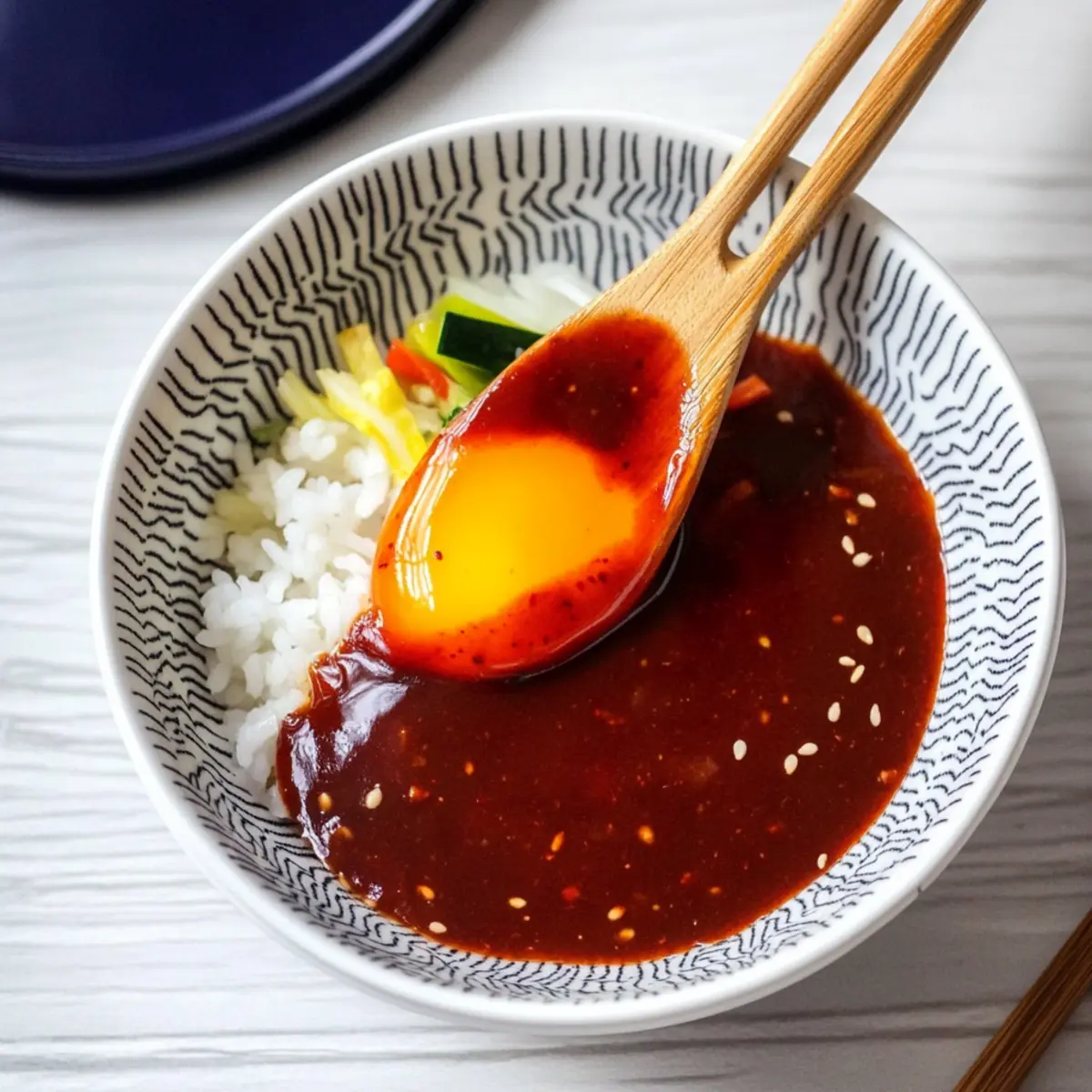
Before serving, give the bibimbap sauce a final stir, ensuring no ingredients have settled at the bottom. Drizzle it generously over your favorite dishes, such as bibimbap, salads, or grilled proteins. Enjoy the luscious sauce’s vibrant color and rich aroma as it transforms your meal into a satisfying homemade experience.
How to Store and Freeze Bibimbap Sauce
Fridge: Store your bibimbap sauce in an airtight glass container in the refrigerator for up to 2 weeks to maintain its fresh, vibrant flavor.
Freezer: For longer storage, freeze the sauce in ice cube trays, then transfer the frozen cubes to a zip-top bag for up to 3 months.
Reheating: Thaw frozen cubes in the refrigerator overnight or warm gently in a microwave. Stir well before serving to reinvigorate its luscious texture.
Sealing: Ensure the container is sealed tightly to avoid any absorption of other odors, keeping your bibimbap sauce tasting as delightful as when you made it.
Make Ahead Options
These easy Bibimbap Sauce preparations make meal planning a breeze for busy weeknights! You can whip up the sauce and store it in a glass container in the refrigerator for up to 2 weeks, making it a fantastic make-ahead option. Simply combine the gochujang, minced garlic, toasted sesame oil, honey, sugar, and rice vinegar, then seal it in an airtight jar. For best quality, keep it well-sealed to maintain freshness and prevent contamination. When you’re ready to serve, just give it a good stir—this ensures all flavors meld beautifully—and drizzle it over your rice or veggies for that restaurant-quality taste without the hassle.
Bibimbap Sauce Variations & Substitutions
Feel free to get creative with this bibimbap sauce recipe, enhancing it with these fun twists and substitutions!
-
Vegan Sweetener: Swap honey for agave nectar to make the sauce completely plant-based. It offers a similar sweetness without compromising flavor.
-
Low-Sugar Alternative: Replace sugar with a sugar substitute like stevia or monk fruit for a healthier, low-calorie option. You can adjust the sweetness to your liking while keeping flavors vibrant.
-
Zesty Addition: Add lime juice or ponzu for a zesty kick that brightens the overall flavor. This twist is fantastic for those warm summer days when you crave something refreshing!
-
Ginger Spice: Incorporate freshly grated ginger for an aromatic spice that really elevates the sauce. It pairs beautifully with the other ingredients and adds a lovely depth of flavor.
-
Extra Heat: If you love heat, consider mixing in some red pepper flakes or a dash of sriracha. Just a touch will give your sauce an exciting zing!
-
Complexity Boost: Try adding a splash of soy sauce or tamari for a deeper umami flavor. This small addition can make a world of difference in the richness of your sauce.
-
Texture Variation: Blend in a tablespoon of peanut butter for a creamier texture and an additional nutty flavor that complements the sesame oil beautifully.
-
Sweet Soy Sauce: Instead of using honey, opt for sweet soy sauce. It not only adds sweetness but brings a unique flavor profile that brings a twist to traditional bibimbap sauce.
To explore more flavor-packed combinations, don’t miss out on my recipes for Sausage Sweet Sauce or Korean BBQ Sauce, which are also perfect for spicing up your meals!
Expert Tips for Bibimbap Sauce
- Storage Savvy: Store your bibimbap sauce in a glass jar to prevent staining from gochujang and keep its vibrant color.
- Spice Adjustment: Start with less gochujang if you’re unsure about the heat level. You can always add more for that perfect balance!
- Ingredient Quality: Use fresh garlic and toasted sesame oil for the best flavor. Avoid regular sesame oil to maintain the sauce’s authenticity.
- Taste Test: Don’t forget to taste and adjust as you go! More honey can balance heat, while extra vinegar can perk up dull flavors.
- Use Quickly: Enjoy the freshness within two weeks. This ensures your bibimbap sauce remains at its most delicious and vibrant.
What to Serve with Easy 6-Ingredient Bibimbap Sauce?
Elevate your dinner experience effortlessly by pairing this rich, versatile sauce with complementary dishes that bring your meal to life.
-
Steamed Jasmine Rice: The fluffy texture and subtle flavor of jasmine rice serves as the perfect base, absorbing the vibrant sauce beautifully.
-
Sautéed Spinach: These tender greens add a bright, fresh note while soaking up the luscious sauce, creating a harmonious blend of flavors.
-
Grilled Chicken or Beef: Marinated proteins grilled to perfection offer a savory counterbalance to the sweet and spicy notes in the bibimbap sauce.
-
Kimchi: The tangy, fermented crunch brings layers of flavor, amplifying the sauce’s authenticity and enhancing your Korean dining experience.
-
Crispy Tofu Bites: A vegetarian option that absorbs the sauce well, adding an intriguing texture while remaining light and satisfying.
-
Roasted Root Vegetables: The caramelized sweetness of carrots or sweet potatoes complements the rich bibimbap sauce, perfect for a comforting meal.
-
Asian-Inspired Salad: Tossed greens with sesame dressing pair wonderfully, providing a refreshing contrast to the serene depth of the sauce.
-
Cold Noodles: This sauce drizzled over chilled noodle salads introduces a delightful kick, turning a simple dish into something extraordinary.
-
Bubbly Sparkling Water: Pairing your meal with a refreshing drink helps cleanse the palate between bites while amplifying the overall experience.
Bibimbap Sauce Recipe FAQs
What should I look for when selecting gochujang?
Absolutely! When picking gochujang, look for a deep red color and a rather smooth texture. Avoid any that have lots of dark spots or an off smell, as these can indicate aging or poor quality. You can also check the ingredient list; it should primarily contain red chili powder, glutinous rice, fermented soybeans, and salt without any artificial additives.
How can I store leftover bibimbap sauce?
To keep your bibimbap sauce fresh, transfer it to an airtight glass container and store it in the refrigerator. It can last for up to 2 weeks! Make sure it’s well-sealed to avoid absorption of other odors in your fridge, which might affect its delightful flavor.
Can I freeze bibimbap sauce?
Absolutely! To freeze your bibimbap sauce, pour it into ice cube trays and freeze until solid. Once frozen, pop the cubes into a zip-top bag and store them in the freezer for up to 3 months. When you want to enjoy it again, just thaw the desired amount in the refrigerator overnight or gently heat it in the microwave, stirring well before serving.
What should I do if my bibimbap sauce is too spicy?
Very! If your sauce turns out too spicy, don’t fret. To tone down the heat, add a bit more honey or sugar to sweeten the sauce and balance out the spiciness. Another great trick is to mix in a splash more rice vinegar, which can help brighten the flavors without intensifying the heat. Just taste as you go until you find that perfect balance!
Is this bibimbap sauce suitable for allergies?
This bibimbap sauce is vegetarian, but for those with allergy concerns, always check your specific ingredients. Gochujang can sometimes contain wheat, so opt for a gluten-free version if needed. Additionally, if you’re substituting honey for agave nectar, it’s perfect for a vegan diet. Enjoy your cooking with peace of mind!
Can I use substitutes for the sauce ingredients?
Very! You can definitely customize the sauce according to what you have on hand. For instance, if you don’t have gochujang, a mix of red chili paste and a touch of soy sauce can work in a pinch. Or, replace honey with sweet soy sauce for a unique flavor. Just remember to taste and adjust for balance!
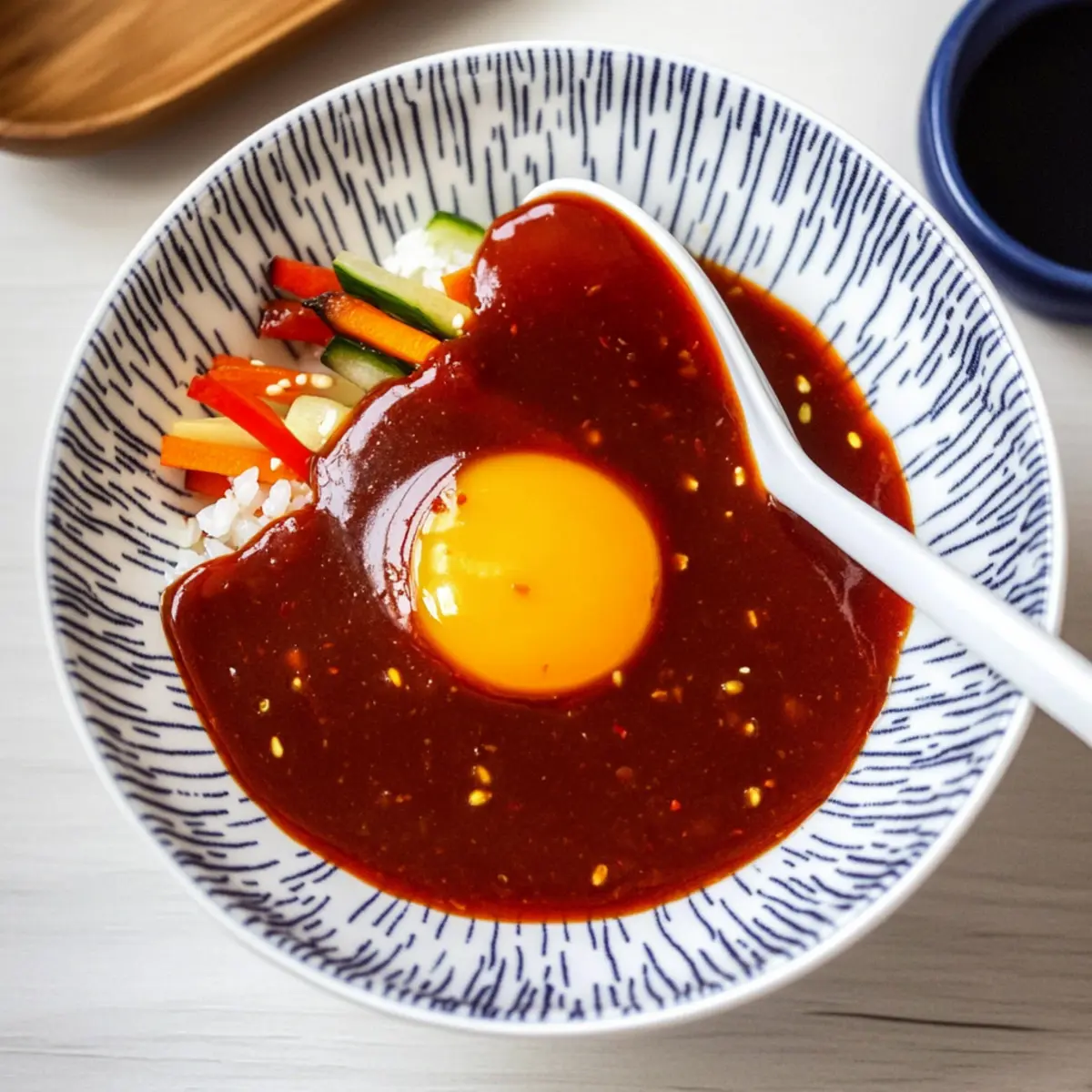
Delicious Bibimbap Sauce: Quick Homemade Korean Flavor
Ingredients
Equipment
Method
- Gather all your ingredients for the bibimbap sauce: gochujang, minced garlic, toasted sesame oil, honey, sugar, rice vinegar, and optional salt.
- In a medium mixing bowl, add the gochujang, minced garlic, toasted sesame oil, honey, sugar, and rice vinegar. Use a whisk to combine everything for an even texture.
- Taste your bibimbap sauce and adjust the spice level by reducing gochujang or adding more honey for sweetness.
- Serve immediately over rice or sautéed veggies, or refrigerate in a sealed container for up to two weeks.
- Before serving, give the sauce a stir to ensure even consistency.
Leave a Reply