
With the sun-drenched landscapes of the Mediterranean in mind, I can’t help but smile as I whip up this Authentic Mediterranean Greek Pasta with Feta. There’s something magical about the way al dente pasta comes alive with zesty lemon, creamy feta, and a medley of vibrant vegetables, all harmoniously dancing together. It’s not just a meal; it’s a quick and easy culinary escape that just takes 15 minutes of prep and another 20 minutes on the stove. Whether you’re hosting friends for a potluck or craving a fresh and satisfying dinner after a long day, this recipe promises to impress without the stress. Are you ready to dive into a bowl of sunshine and flavors that might even transport you to a bustling Greek taverna?
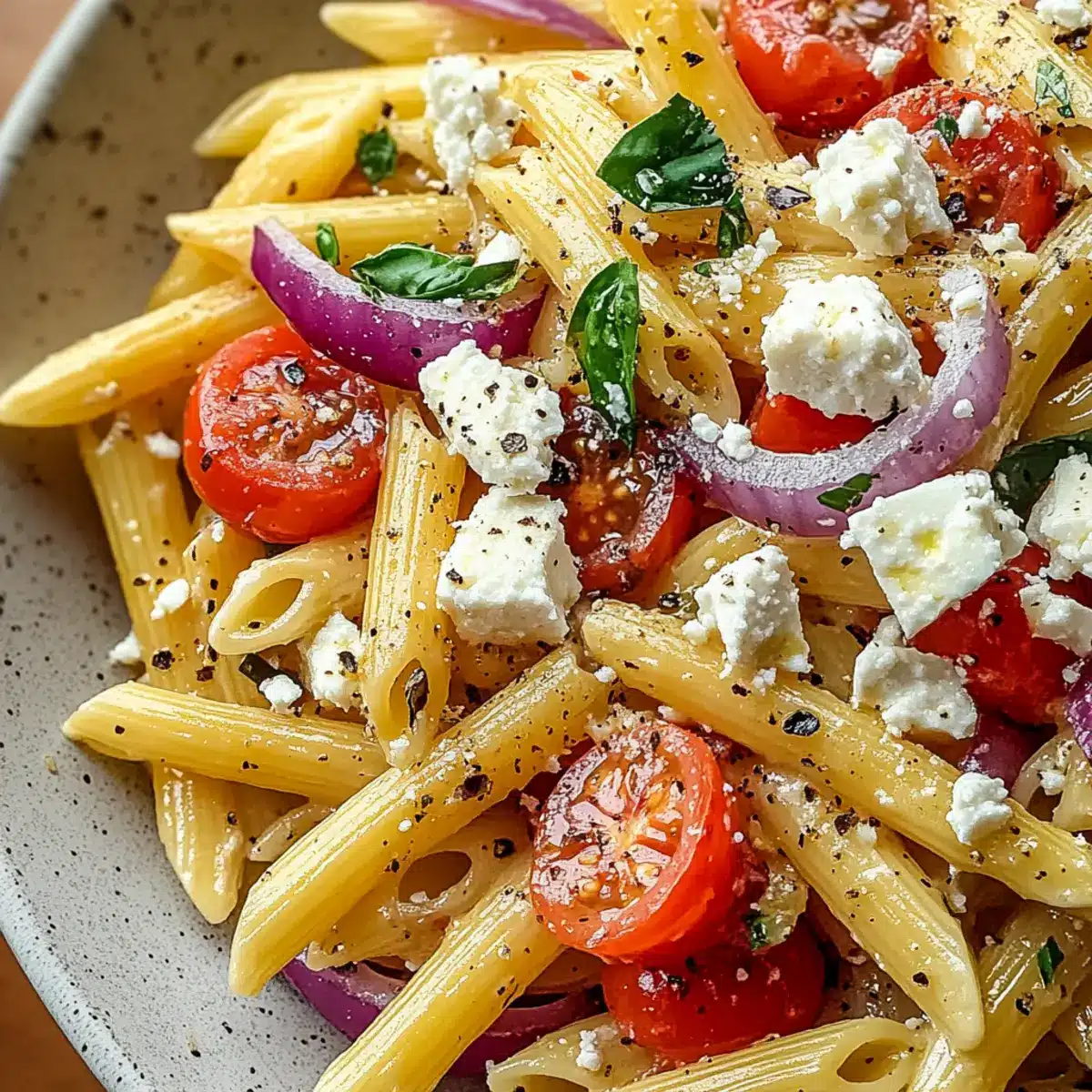
Why is Mediterranean Greek Pasta a Must-Try?
Bursting with flavor: This dish combines zesty lemon and creamy feta, creating an explosion of tastes in every bite.
Quick and easy: In just 35 minutes, you’ll have a wholesome meal ready to savor.
Versatile variations: Personalized to your taste, swap pasta shapes or add proteins like grilled shrimp or chicken.
Fresh ingredients: Featuring vibrant vegetables and herbs, it’s a celebration of Mediterranean flavors that you’ll crave again.
Crowd-pleaser: Perfect for gatherings, this dish will impress your guests and leaves them asking for the recipe. Try serving it with a light salad or crusty bread for a complete meal!
Mediterranean Greek Pasta with Feta Ingredients
For the Pasta
• Penne or Fusilli – 12 oz (340g), the perfect base for a delightful texture; feel free to experiment with rotini or farfalle.
For the Vegetables
• Olive Oil – 3 tbsp, adds richness and aids in sautéing; opt for extra virgin for a superior flavor.
• Garlic – 3 cloves, minced, which brings divine aroma; swap with garlic powder if fresh isn’t available.
• Red Onion – 1 medium, thinly sliced, offering sweetness and crunch; sweet onions are a milder alternative.
• Red Bell Pepper – 1, thinly sliced, contributing color and sweetness; any color bell pepper works beautifully.
• Cherry Tomatoes – 1 cup, halved, for that juicy sweetness; diced tomatoes can serve in a pinch.
• Kalamata Olives – ½ cup, pitted and sliced; these provide a briny contrast; try green olives or black for different flavors.
For Creaminess and Freshness
• Feta Cheese – 1 cup, crumbled, which adds a tangy creaminess; consider a plant-based feta for a vegan option.
• Basil – ¼ cup, chopped, vibrant for freshness; parsley or other herbs can step in if needed.
• Parsley – ¼ cup, chopped, for that herbaceous note; feel free to omit if it’s not handy.
• Dried Oregano – 1 tsp, enhancing classic Mediterranean flavor; Italian seasoning works well as a substitute.
For Zest and Seasoning
• Lemon Juice and Zest – From 1 lemon, providing the much-needed acidity; lime juice works as an alternative.
• Salt and Black Pepper – To taste, essential for flavor balance; remember to taste as you go.
Want to take your cooking adventure up a notch? Dive into this Mediterranean Greek Pasta with Feta, a dish that brings together simplicity and bold flavors in a delightful dance!
Step‑by‑Step Instructions for Mediterranean Greek Pasta with Feta
Step 1: Cook the Pasta
Begin by bringing a large pot of salted water to a rolling boil. Add 12 oz of penne or fusilli pasta and cook according to package instructions until al dente, about 8–10 minutes. Once cooked, drain the pasta in a colander and set it aside, allowing steam to escape and preventing sticking.
Step 2: Sauté the Aromatics
In a large skillet over medium heat, pour in 3 tablespoons of extra virgin olive oil. When the oil shimmers, add 3 minced garlic cloves and sauté for about 1 minute, stirring frequently until fragrant. Be careful not to let the garlic brown, as it can turn bitter.
Step 3: Add the Vegetables
Next, add the thinly sliced red onion and red bell pepper to the skillet. Cook for 3–4 minutes or until they soften and become slightly translucent. Stir occasionally, allowing the vegetables to release their flavors and create a colorful base for your Mediterranean Greek Pasta with Feta.
Step 4: Incorporate Cherry Tomatoes and Olives
Stir in 1 cup of halved cherry tomatoes and ½ cup of sliced Kalamata olives. Cook for an additional 2 minutes, just until the tomatoes begin to soften and burst, infusing the pan with their juices. This step will enhance the overall vibrant flavor of your dish.
Step 5: Combine with Pasta
Reduce heat to low and add the reserved cooked pasta to the skillet, tossing gently to combine the ingredients. Ensure that the pasta is coated with the fragrant vegetable mixture. This melding of flavors is what makes the Mediterranean Greek Pasta with Feta so delightful.
Step 6: Fold in the Feta and Herbs
Carefully fold in 1 cup of crumbled feta cheese, ¼ cup of chopped basil, ¼ cup of chopped parsley, and 1 teaspoon of dried oregano. Stir until the cheese begins to melt slightly and the herbs brighten the dish with freshness. The warmth will enhance the creamy texture of the feta.
Step 7: Season to Perfection
Add salt and black pepper to taste, ensuring that you balance the saltiness from the olives and feta. Taste the dish, adjusting the seasoning to your preference, and feel the vibrant Mediterranean flavors come alive in your creation.
Step 8: Add Lemon Juice and Zest
Squeeze the juice and zest of 1 lemon into the pasta mixture, stirring well to distribute the zesty brightness throughout. The citrus will elevate the dish, bringing a refreshing twist to the rich flavors of feta and olives.
Step 9: Let Rest Before Serving
Remove the skillet from heat and allow the Mediterranean Greek Pasta with Feta to rest for a couple of minutes. This resting period allows the flavors to meld beautifully, enhancing the overall taste of your dish for that perfect serving.
Step 10: Serve and Enjoy
Serve the pasta warm or at room temperature, garnished with extra herbs and feta if desired. This vibrant dish is perfect for a family dinner or a potluck gathering, inviting everyone to enjoy a taste of the Mediterranean with each delightful bite.
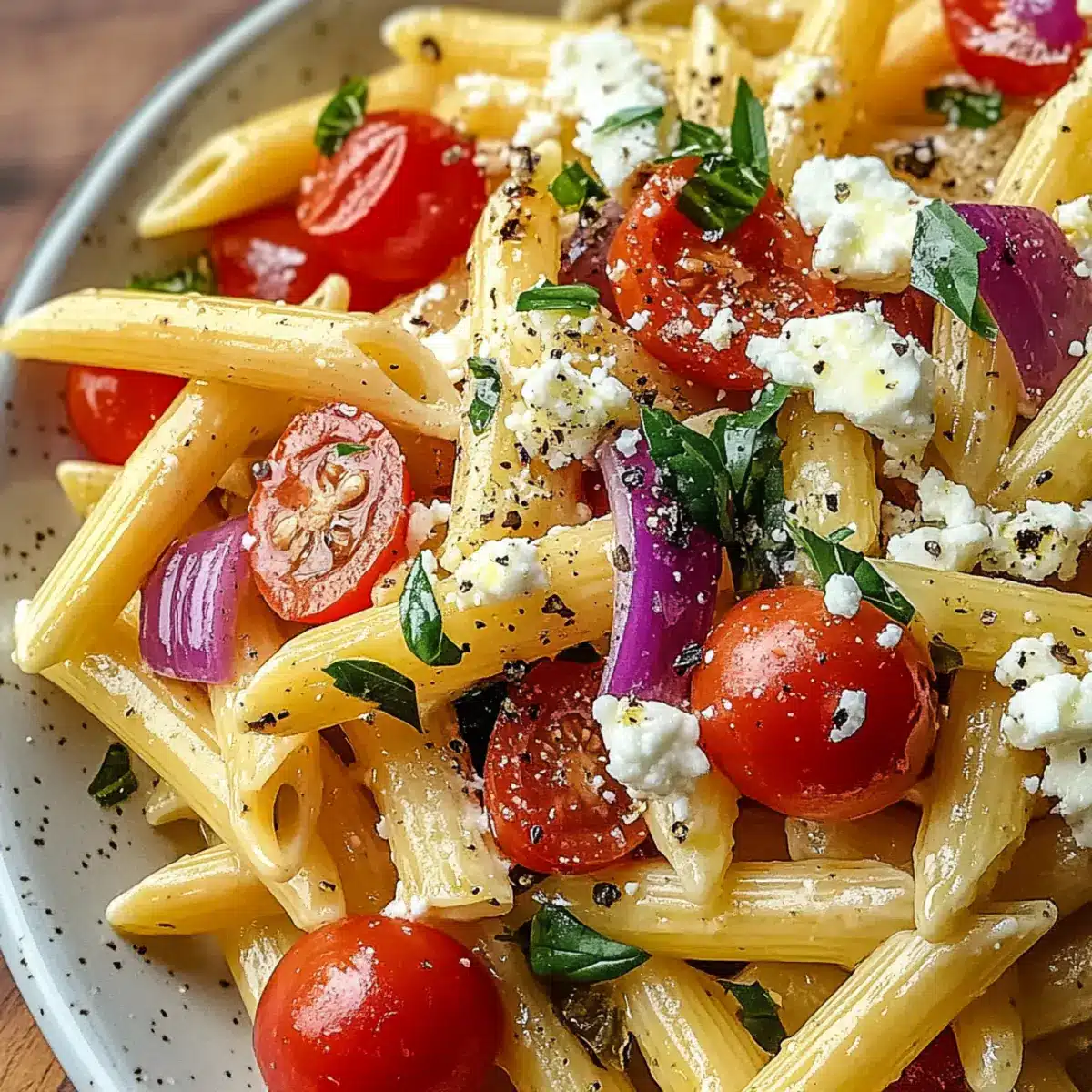
How to Store and Freeze Mediterranean Greek Pasta with Feta
Fridge: Store any leftover Mediterranean Greek Pasta with Feta in an airtight container in the refrigerator for up to 3 days. Reheat gently on the stovetop, adding a splash of olive oil for moisture.
Freezer: This dish can be frozen for up to 2 months. Make sure it’s completely cooled before transferring to a freezer-safe container. Reheat from frozen, adding a little water to help it steam back to life.
Reheating: For best results, reheat in a skillet over medium heat, stirring frequently, until heated through. You can add fresh herbs and a squeeze of lemon to brighten the flavors.
Make-Ahead: Consider prepping this dish a few hours ahead of time! Store it in the fridge and just reheat before serving for a quick, delightful meal any day.
Make Ahead Options
These Mediterranean Greek Pasta with Feta make-ahead tips are perfect for busy home cooks looking to streamline their meal prep! You can chop the vegetables (like red onion and bell pepper) and crumbles of feta up to 24 hours in advance; refrigerate them in separate airtight containers to maintain freshness and avoid sogginess. You can also cook the pasta ahead by about 3 days and store it in a separate container with a splash of olive oil to prevent sticking. When you’re ready to enjoy this vibrant dish, simply sauté the vegetables, add the cooked pasta and toss in the feta, basil, and lemon juice – you’ll have a delicious meal on the table in no time!
Expert Tips for Mediterranean Greek Pasta with Feta
-
Resting Time: Allow the dish to rest before serving. This helps the flavors meld beautifully and enhances your Mediterranean Greek Pasta with Feta.
-
Seasoning Balance: Always taste and adjust the seasonings! Remember that feta and olives can be salty, so ensure you find that perfect balance of flavor.
-
Perfect Pasta: For the best texture, cook the pasta until al dente. This keeps it firm enough to hold up against the creamy feta and vibrant vegetables.
-
Vegetable Variations: Feel free to swap in your favorite veggies! Zucchini or spinach can elevate the dish while still keeping it fresh and light.
-
Garnish for Greatness: A sprinkle of fresh herbs or an extra crumble of feta on top right before serving makes for a gorgeous presentation that your guests will love!
What to Serve with Authentic Mediterranean Greek Pasta with Feta
Imagine a delightful spread that complements the burst of flavors in your dish, elevating the entire dining experience.
-
Creamy Mashed Potatoes: These velvety potatoes offer a rich texture that perfectly balances the zesty pasta dish, making every bite a comforting delight. They are perfect for soaking up any leftover sauce!
-
Fresh Green Salad: A crisp, refreshing salad with mixed greens, cucumbers, and a lemon vinaigrette brightens the table. The crunch adds a nice contrast to the creamy feta.
-
Garlic Bread: Warm, buttery garlic bread is a great sidekick to your pasta, allowing you to savor every flavor while enjoying the comforting aroma as it bakes.
-
Roasted Vegetables: Colorful roasted veggies like zucchini and bell peppers bring smokiness that pairs beautifully with the Mediterranean flavors in the pasta.
-
Chickpea Fritters: These crispy, protein-packed treats introduce a unique texture alongside your pasta. Their subtle spices enhance the overall Mediterranean vibe.
-
Sparkling Water with Lemon: A refreshing drink can cleanse your palate, making it ideal alongside the rich feta and olives. The citrus notes in the drink also tie back to the flavors in your pasta.
-
Tiramisu: End your meal on a sweet note with this classic Italian dessert. Its creamy layers provide a contrast to the savory richness of the Greek pasta.
-
Herbed Couscous: Light and fluffy, herbed couscous can soak up any extra dressing on your plate. It also mirrors the Mediterranean theme, rounding out your meal perfectly.
-
Stuffed Grape Leaves: These little bundles of joy filled with rice and spices are a delightful mini-meal to accompany your pasta while maintaining the Mediterranean flair.
-
Seasonal Fruit Salad: A vibrant mixture of fruits can act as a sweet, cooling contrast to the savory and salty notes of the pasta. Each bite is like a burst of sunshine!
Mediterranean Greek Pasta with Feta Variations
Feel free to explore these creative variations and substitutions that will elevate your Mediterranean Greek Pasta to new heights of deliciousness!
-
Protein Boost: Add grilled chicken, shrimp, or chickpeas for a heartier meal. Each protein choice complements the flavors beautifully and adds satisfying richness.
-
Veggie Delight: Incorporate other vegetables like diced zucchini or fresh spinach for extra nutrition and color. These additions keep it light while enhancing the Mediterranean charm.
-
Herb Twist: Experiment with fresh herbs like thyme or rosemary. A splash of red pepper flakes can also introduce a lively kick, inviting excitement with every bite.
-
Sun-Dried Treasure: Mix in sun-dried tomatoes or marinated artichokes for deeper flavors. These vibrant ingredients create a sophisticated touch, making your dish even more delightful!
-
Cheese Swap: For a vegan option, use plant-based feta cheese instead of traditional. It’s a fantastic alternative that retains the creamy richness in this beloved dish.
-
Olive Options: If Kalamata olives aren’t your favorite, try green or black olives instead. Each variety brings a unique flavor profile, allowing for endless customization.
-
Different Pasta Shapes: Feel free to switch pasta shapes to suit your preference, whether it’s rotini, farfalle, or even a healthy whole-grain option. Your pasta adventure awaits with whatever shape catches your fancy!
-
Citrus Change: Swap lemon juice for lime juice in a pinch. This subtle change brightens the dish while delivering a unique twist that’s just as refreshing.
For a feast that celebrates the essence of Mediterranean cuisine, combine your creative flair with this vibrant pasta. Looking for more scrumptious ideas? Check out Mediterranean Chicken Gyros or dive into a comforting bowl of Cajun Chicken Pasta for inspiration!
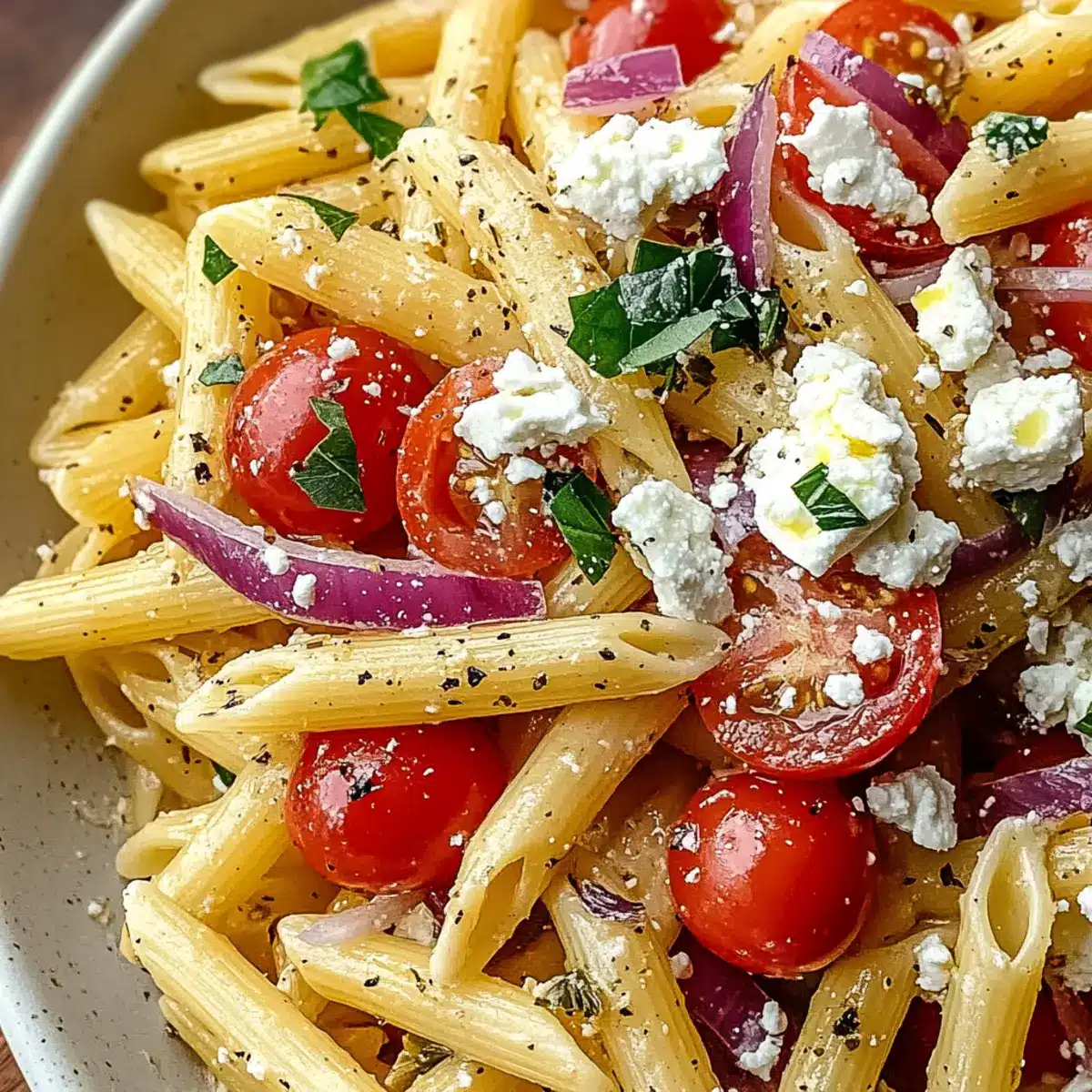
Mediterranean Greek Pasta with Feta Recipe FAQs
How do I choose the right ripeness for the vegetables?
Absolutely! When selecting vegetables for your Mediterranean Greek Pasta with Feta, aim for vibrant, firm produce. Look for bell peppers that are smooth and brightly colored. Cherry tomatoes should be plump and slightly glossy. If the tomatoes have dark spots all over or appear overly soft, choose another one. Fresh herbs should smell fragrant and be bright in color without wilting.
How should I store leftover Mediterranean Greek Pasta with Feta?
Very! Store any leftover Mediterranean Greek Pasta with Feta in an airtight container in the refrigerator for up to 3 days. When reheating, add a splash of olive oil to keep it moist and flavorful. Simply warm it gently on the stovetop over medium-low heat, stirring occasionally until heated through.
Can I freeze Mediterranean Greek Pasta with Feta?
Absolutely! This dish can be frozen for up to 2 months, which is perfect for meal prepping. Once cooked, let it cool completely before transferring it to a freezer-safe container. To reheat from frozen, you can place it in the fridge the night before or directly in a skillet with a splash of water over low heat, stirring frequently until heated through.
What should I do if the pasta is overcooked?
Oops! If you’ve inadvertently overcooked the pasta, you can still salvage your dish. In the skillet, mix the pasta with the vegetable blend and feta, then monitor it closely while reheating on low. You can also add a small amount of broth or olive oil to introduce some moisture and prevent it from becoming too mushy. Remember, al dente pasta gives a nice bite to the dish!
Is Mediterranean Greek Pasta with Feta suitable for people with dietary restrictions?
Definitely! This recipe can easily be adapted to suit various dietary needs. For gluten-free options, simply substitute regular pasta with gluten-free pasta. To make it vegan, use plant-based feta cheese and avoid any ingredients like chicken or shrimp. Always be mindful of common allergens, particularly if guests have nut or dairy allergies; adjust ingredient choices accordingly!
Can I prepare Mediterranean Greek Pasta with Feta in advance?
Very much so! You can prep this delightful dish several hours ahead of time. Just cook the pasta and prepare the vegetables as instructed, then combine everything, but hold off on adding the feta and herbs until right before serving. Store it in the fridge separately, and reheat gently, adding the feta at the end for that fresh, creamy taste.
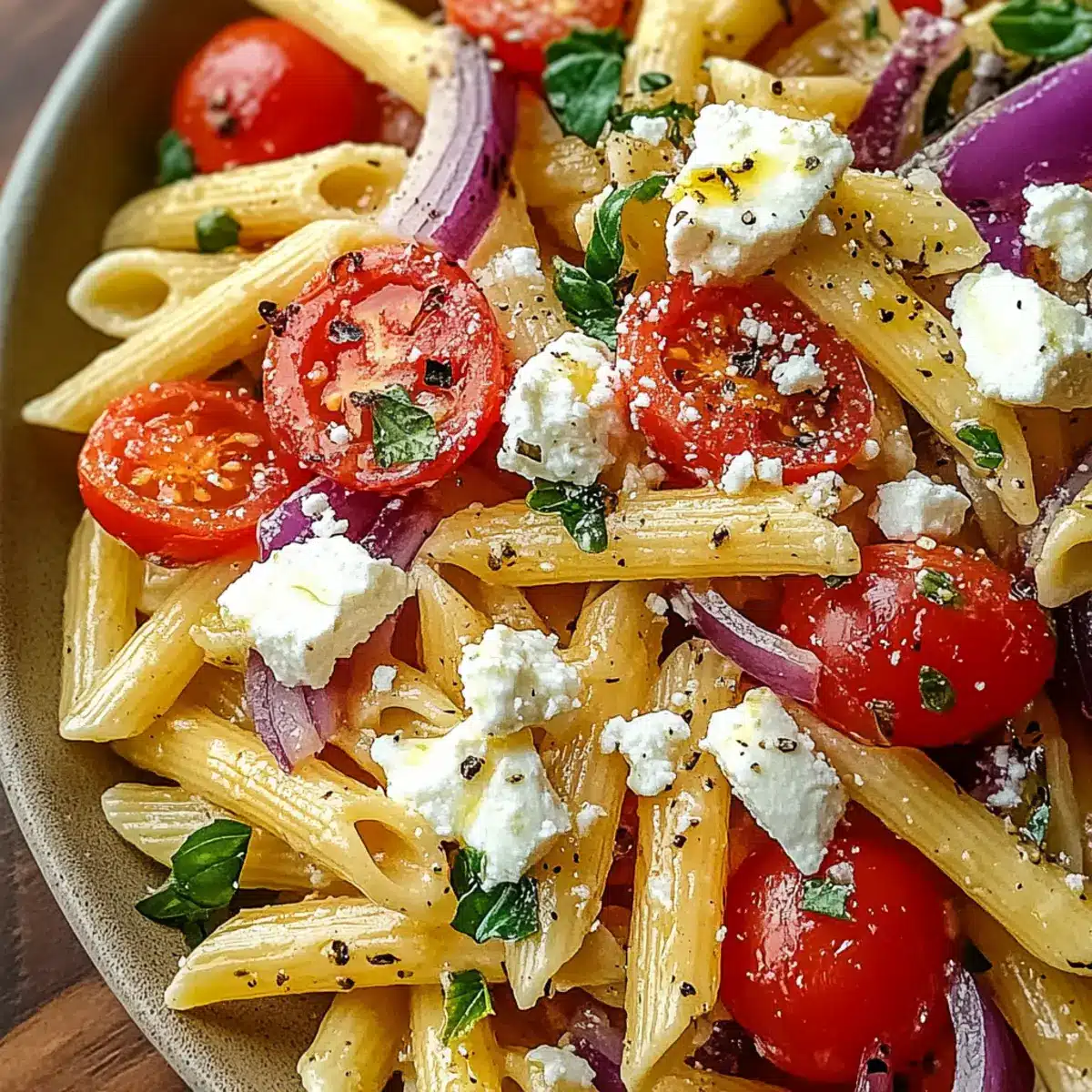
Mediterranean Greek Pasta with Feta for a Flavorful Feast
Ingredients
Equipment
Method
- Begin by bringing a large pot of salted water to a rolling boil. Add 12 oz of penne or fusilli pasta and cook according to package instructions until al dente, about 8–10 minutes. Once cooked, drain the pasta in a colander and set it aside.
- In a large skillet over medium heat, pour in 3 tablespoons of extra virgin olive oil. When the oil shimmers, add 3 minced garlic cloves and sauté for about 1 minute, stirring frequently until fragrant.
- Next, add the thinly sliced red onion and red bell pepper to the skillet. Cook for 3–4 minutes or until they soften and become slightly translucent.
- Stir in 1 cup of halved cherry tomatoes and ½ cup of sliced Kalamata olives. Cook for an additional 2 minutes, just until the tomatoes begin to soften and burst.
- Reduce heat to low and add the reserved cooked pasta to the skillet, tossing gently to combine the ingredients.
- Carefully fold in 1 cup of crumbled feta cheese, ¼ cup of chopped basil, ¼ cup of chopped parsley, and 1 teaspoon of dried oregano. Stir until the cheese begins to melt slightly.
- Add salt and black pepper to taste, ensuring that you balance the saltiness from the olives and feta.
- Squeeze the juice and zest of 1 lemon into the pasta mixture, stirring well to distribute the zesty brightness throughout.
- Remove the skillet from heat and allow the Mediterranean Greek Pasta with Feta to rest for a couple of minutes.
- Serve the pasta warm or at room temperature, garnished with extra herbs and feta if desired.
Leave a Reply