
As you dive into the vibrant world of Vietnamese cuisine, you might find yourself captivated by the zesty brilliance of Vietnamese Pickled Vegetables (Đồ Chua). This pair of daikon radish and carrots not only brings a delightful crunch to your meals but also serves as a canvas for your creativity in the kitchen. With just a few simple steps, you can whip up this quick and versatile side dish that complements everything from bánh mì to rice bowls. What’s more, it’s vegan-friendly and allows you to adjust the ratio of carrots to daikon to suit your taste! Whether enjoyed immediately or allowed to marinate for a day or two, these tangy pickles will add a refreshing twist to any plate. Ready to elevate your culinary repertoire? Let’s get pickling!
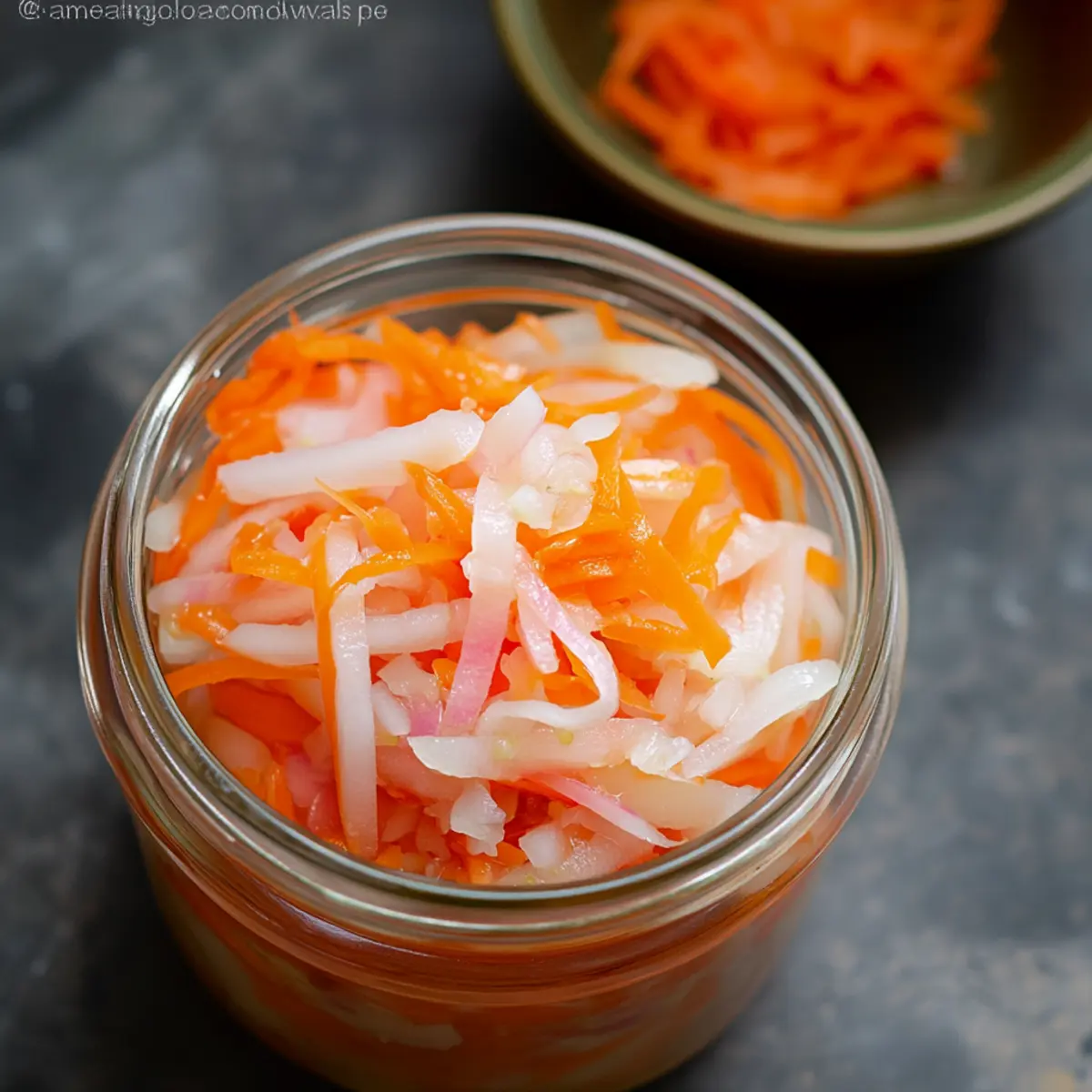
Why are Vietnamese Pickled Vegetables irresistible?
Zesty Crunch: Experience an energizing burst of flavor with the crispness of daikon and carrots, making each bite a refreshing delight.
Versatile Pairing: These pickled vegetables complement a variety of dishes, from bánh mì to grilled meats, providing a tangy contrast that lifts every meal.
Customizable Recipe: Have fun experimenting by adjusting the carrot-to-daikon ratio or swapping in other vegetables for a twist on this classic.
Quick Preparation: With just a few simple steps, you’ll have this vibrant side dish ready to enjoy in no time.
Healthy and Vegan: Packed with vitamins and fiber, these pickles are a guilt-free addition to your meals that everyone can enjoy!
Vietnamese Pickled Vegetables Ingredients
For the Vegetables
• Daikon Radish – Provides crunch and mild flavor; use 250g peeled and sliced into matchsticks.
• Carrot – Adds sweetness and color; use 250g peeled and sliced into matchsticks.
For the Pickling Liquid
• Salt – Draws moisture out of the vegetables, enhancing flavor; use 1 heaping tbsp.
• Boiling Hot Water – Dissolves sugar for pickling liquid; use 1 cup.
• Cane Sugar – Balances acidity in the pickling liquid; use 6 tbsp or to taste.
• Vinegar – Adds tartness essential for pickling; use 4 tbsp.
• Water – Use as needed to ensure vegetables are submerged.
These Vietnamese Pickled Vegetables are not only an easy addition to your meals but also a fun way to adjust flavors to your liking!
Step‑by‑Step Instructions for Vietnamese Pickled Vegetables
Step 1: Prepare Veggies
In a large strainer, combine the matchstick-sliced daikon radish and carrot. Sprinkle with a heaping tablespoon of salt and toss everything together. Allow the mixture to sit for 30 minutes, during which the salt will draw out excess moisture. You should see the vegetables start to wilt slightly, indicating they are ready for the next step.
Step 2: Make Pickling Liquid
While the vegetables are resting, boil 1 cup of water in a kettle. Once boiling, add 6 tablespoons of cane sugar and stir until fully dissolved, creating a sweet base for your pickling liquid. Next, incorporate 4 tablespoons of vinegar into the sugary water, giving it a good stir. Let this mixture cool completely to room temperature, setting the stage for a perfect pickling experience.
Step 3: Wash Salt
After the 30 minutes are up, rinse the salted vegetables under cold running water for 2-3 minutes to remove excess salt. This step is crucial to prevent overly salty pickles. Once rinsed, use your hands to squeeze out any remaining liquid, ensuring the veggies are firm and ready to absorb the pickling liquid fully.
Step 4: Pack Vegetables
Transfer the drained daikon and carrot into a clean glass jar, packing them tightly. Gently compress the vegetables to minimize air pockets. You want them snug but not bruised, as this helps with marinating. Make sure to leave some space at the top for the pickling liquid to flow around the veggies without overflowing.
Step 5: Add Pickling Liquid
Carefully pour the cooled pickling liquid over the packed vegetables, ensuring they are completely submerged. If needed, add a little extra water to cover the vegetables fully; this helps them stay crisp and flavorful as they pickle. Make sure there are no air bubbles trapped, as this can affect the pickling process.
Step 6: Seal and Store
Seal the jar tightly with a lid. If you added extra water, give it a gentle shake to mix everything, but avoid overdoing it. Leave your jar at room temperature for 24 hours to allow flavors to meld. After that, transfer it to the refrigerator for optimal freshness. Your Vietnamese Pickled Vegetables are now ready to accompany your favorite dishes!
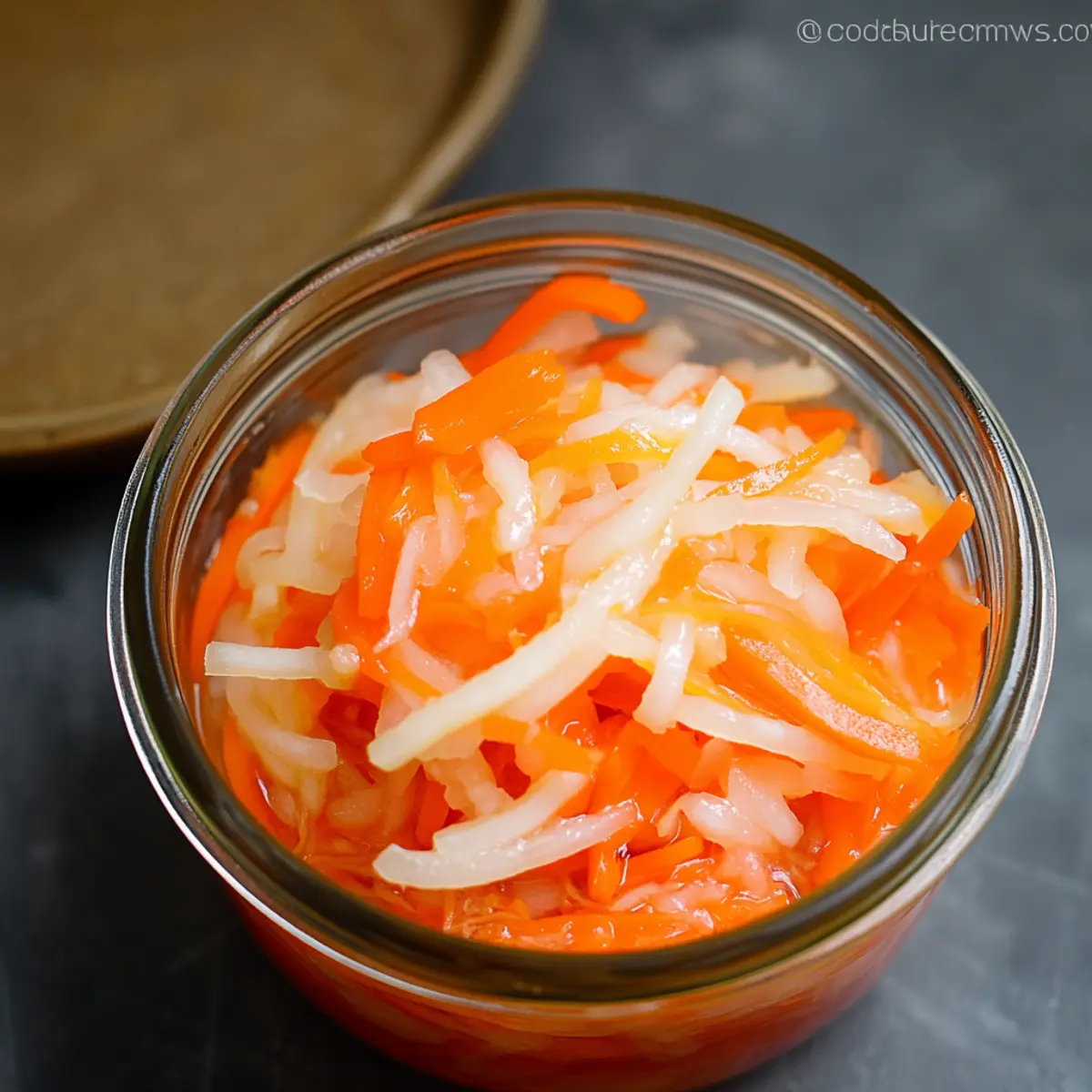
What to Serve with Vietnamese Pickled Vegetables?
These vibrant pickled veggies are the perfect accompaniment to elevate your meal experience.
-
Grilled Chicken: Juicy, smoky chicken contrasts beautifully with the tang of pickled vegetables, enhancing both flavor and texture.
-
Bánh mì Sandwich: The crunchiness of the pickled vegetables brings a delightful freshness to this classic Vietnamese sandwich, making every bite exciting.
-
Rice Noodle Bowls: Add a pop of color and zing to noodle dishes, balancing savory proteins with the bright flavors of the pickles.
-
Spring Rolls: Use as a refreshing dip that cuts through the richness of rice paper rolls, creating a harmonious blend of textures.
-
Tofu Stir-Fry: Pair these pickles with a hearty tofu stir-fry for a delightful contrast between soft and crunchy elements.
-
Cold Beverages: Serve with iced green tea or a light beer for a refreshing drink that complements the tangy and sweet notes of the pickles.
Incorporating these pairing ideas will truly enhance your mealtime!
Make Ahead Options
These Vietnamese Pickled Vegetables are perfect for busy cooks looking to save time during meal prep! You can prepare the daikon and carrot by salting and draining them up to 24 hours in advance. Simply follow Steps 1 and 3, then store the vegetables in an airtight container in the refrigerator until you’re ready to pickle. To finish, mix up the pickling liquid as instructed in Step 2, then combine it with the prepped vegetables as outlined in Steps 4 to 6. This way, you’ll have a refreshing side dish ready to elevate your meals with minimal last-minute effort, keeping the crunch and flavor just as delicious!
How to Store and Freeze Vietnamese Pickled Vegetables
Fridge: Store your Vietnamese Pickled Vegetables in an airtight jar in the refrigerator. They’ll stay fresh for up to 2 months, and the flavor deepens over time.
Room Temperature: It’s best not to keep these pickles at room temperature after preparation. However, if you do, consume them within 24 hours to ensure safety and taste.
Freezer: Freezing is not recommended for pickled vegetables, as it can negatively affect their crunchy texture and flavor. Instead, enjoy them fresh!
Reheating: There’s no need to heat these pickles. Serve them cold as a zesty side dish, adding a vibrant touch to your meals effortlessly.
Expert Tips for Vietnamese Pickled Vegetables
• Slice Evenly: Ensure all vegetables are sliced into matchsticks of similar size for uniform pickling, enhancing texture and flavor evenly.
• Adjust Sweetness: Taste the pickling liquid before pouring it over the vegetables. Feel free to tweak the amount of sugar and vinegar to suit your palate.
• Extra Crunch: For an additional layer of crunch, let the pickles marinate for 48 hours; this patience will reward you with even more intense flavors.
• Experiment with Veggies: Don’t hesitate to try different vegetables! Adding cucumbers or shallots can personalize your Vietnamese Pickled Vegetables and add fun variations.
• Store Properly: Always use a clean, airtight jar for storage to preserve freshness; these pickles can last for weeks in the refrigerator.
Vietnamese Pickled Vegetables Variations
Feel free to let your creativity flow by customizing these Vietnamese pickled vegetables to suit your taste preferences and dietary needs!
-
Carrot-Heavy: Increase the ratio of carrots to daikon for a sweeter taste. This variation offers a different balance, providing a delightful crunch.
-
Coconut Sugar: Swap cane sugar for coconut sugar or maple syrup for a subtle caramel flavor. Just keep in mind that coconut sugar may darken the liquid slightly.
-
Add Cucumber: Incorporate sliced cucumber for a refreshing twist. Cucumbers lend a juicy texture and enhance the crispness of the pickles.
-
Spicy Kick: For heat lovers, add sliced jalapeños or a pinch of red pepper flakes to the pickling liquid. This adds an exciting kick that elevates the dish!
-
Additional Vegetables: Mix in shallots or bell peppers for a colorful and flavorful variation. Tossing in other veggies can create new flavor profiles and textures.
-
Herb Infusion: Fresh herbs like cilantro or mint can be packed in with the vegetables. This will bring a fragrant aroma and surprise flavor twist to your pickling adventure.
-
Ginger Zest: Add some thin slices of ginger to the jar for an earthy warmth. Ginger brightens up the palette and provides a delightful complexity.
-
Vinegar Variety: Experiment with different types of vinegar, such as rice vinegar or apple cider vinegar for unique taste experiences. Each variety will add its unique character to the pickled mixture.
Let the adventurous spirit of cooking guide you here! For more twists on classic recipes, don’t forget to explore our guide on how to make pickled cucumbers. Happy pickling!
Vietnamese Pickled Vegetables Recipe FAQs
How do I choose ripe daikon radish and carrots?
Absolutely! For daikon radish, look for a smooth, firm texture without dark spots. Choose smaller, younger ones for a milder flavor. When picking carrots, search for bright orange color and a crunch when you snap them. Both should feel heavy for their size, indicating freshness!
How should I store my Vietnamese Pickled Vegetables after making them?
Very! After you make your pickles, store them in a clean, airtight jar in the refrigerator. They can stay fresh for up to 2 months. To enjoy optimal flavor and crunch, try to consume them within the first month, as the taste continues to deepen over time.
Can I freeze Vietnamese Pickled Vegetables?
No, it’s best to avoid freezing pickled vegetables. Freezing can significantly alter their crunchy texture, making them soggy upon thawing. Instead, enjoy them fresh, and try to make only what you can consume within a reasonable timeframe!
What if my pickled vegetables taste too salty or sweet?
Don’t worry, we’ve all been there! If they taste too salty, you can rinse them again in cold water to remove some salt. For sweetness, simply dilute the pickling liquid with a bit more vinegar and water if you find it too sweet. Taste your adjustments until you find that perfect balance!
Can my pets eat these pickled vegetables?
It’s always best to be cautious. While the fresh components (daikon, carrot) are typically safe in small amounts, the vinegar and sugar in pickling can be harmful to pets. Avoid giving them these pickles; stick to fresh vegetable snacks that are pet-friendly!
What should I do if my pickling liquid doesn’t cover the vegetables completely?
You can easily fix this! If your pickling liquid doesn’t fully submerge the vegetables, just add a little plain water until they’re covered. This ensures even pickling and helps maintain the vegetables’ crunch and flavor. Make sure to check for air bubbles trapped underneath before sealing the jar!
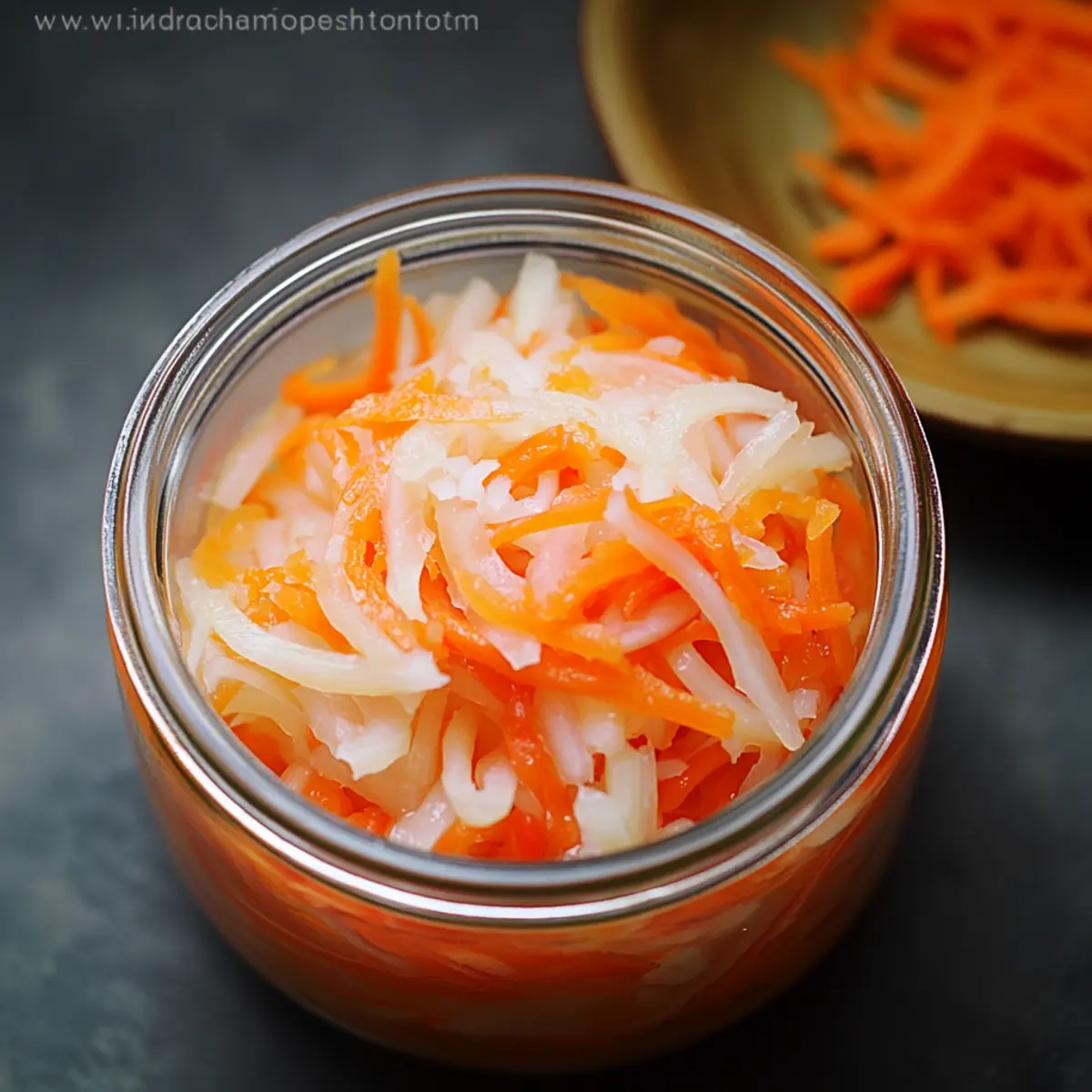
Savory Vietnamese Pickled Vegetables for Every Meal
Ingredients
Equipment
Method
- In a large strainer, combine the matchstick-sliced daikon radish and carrot. Sprinkle with a heaping tablespoon of salt and toss everything together. Allow the mixture to sit for 30 minutes, during which the salt will draw out excess moisture.
- While the vegetables are resting, boil 1 cup of water in a kettle. Once boiling, add 6 tablespoons of cane sugar and stir until fully dissolved, creating a sweet base for your pickling liquid. Next, incorporate 4 tablespoons of vinegar into the sugary water, giving it a good stir. Let this mixture cool completely to room temperature.
- After the 30 minutes are up, rinse the salted vegetables under cold running water for 2-3 minutes to remove excess salt. Use your hands to squeeze out any remaining liquid.
- Transfer the drained daikon and carrot into a clean glass jar, packing them tightly. Leave some space at the top for the pickling liquid.
- Carefully pour the cooled pickling liquid over the packed vegetables, ensuring they are completely submerged. If needed, add a little extra water to cover the vegetables fully.
- Seal the jar tightly with a lid. Leave your jar at room temperature for 24 hours to allow flavors to meld. After that, transfer it to the refrigerator for optimal freshness.
Leave a Reply