
As the aroma of savory goodness wafted through my kitchen, it felt as though I had been transported back in time to an old Italian family gathering. This 130-Year-Old Italian Spaghetti Sauce is not just a recipe; it’s a cherished family secret passed down through generations, making it a treasure in our home. The best part? It’s incredibly easy to whip up, even on a busy weeknight, and it’s a budget-friendly meal that brings everyone to the table. With just a handful of fresh ingredients, you’ll create a comforting dish bursting with authentic flavors that will surely become a staple in your own household. Are you ready to dive into a classic comfort that warms the heart and stirs the soul?
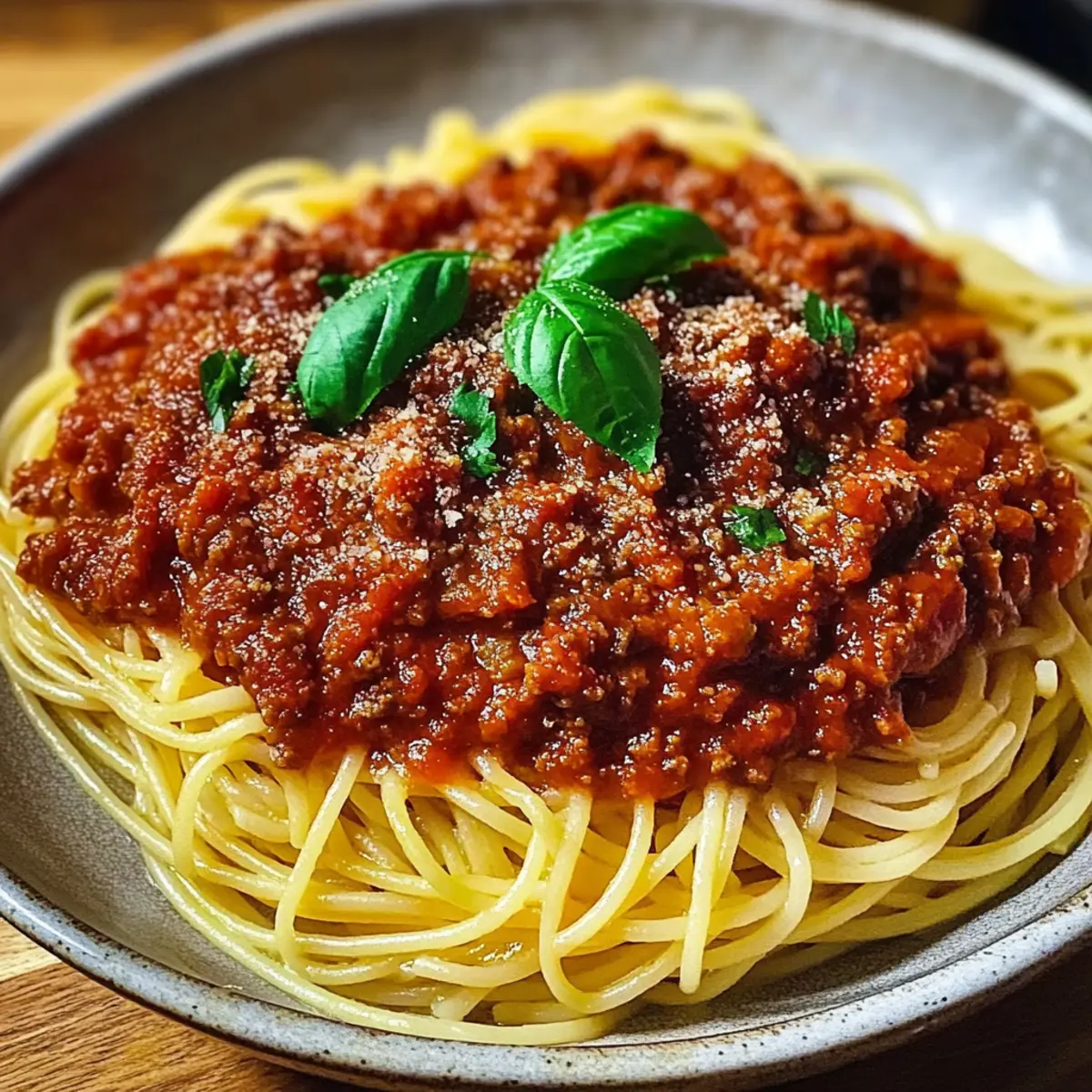
Why is this spaghetti sauce so special?
Timeless Tradition: This 130-Year-Old Italian Spaghetti Sauce embodies generations of culinary love, perfect for those who cherish authentic flavors.
Budget-Friendly: With simple, fresh ingredients, you can create a restaurant-quality dish without breaking the bank.
Effortless Preparation: The straightforward instructions mean you can easily whip it up on busy weeknights, making homemade meals attainable for everyone.
Endless Versatility: Whether served over classic spaghetti or used as a base for your favorite dishes like Stuffed Italian Meatloaf, this sauce adapts beautifully to your culinary creativity.
Crowd-Pleaser: Its rich, savory flavor is guaranteed to impress family and friends, making it the ideal choice for gatherings.
130-Year-Old Italian Spaghetti Sauce Ingredients
For the Sauce
• Crushed Tomatoes – The base ingredient providing richness and body; opt for high-quality brand for the best flavor.
• Diced Onion – Adds sweetness and depth; fresh yellow or sweet onions work wonders in this sauce.
• Minced Garlic – Enhances the flavor profile; fresh garlic is key for optimal taste in this 130-Year-Old Italian Spaghetti Sauce.
• Olive Oil – Essential for sautéing; use extra virgin olive oil for a deeper, more complex flavor.
• Dried Oregano – Provides herbal notes; feel free to substitute with fresh oregano for a brighter flavor.
• Dried Basil – Complements the sauce beautifully; fresh basil can also elevate the dish significantly.
• Salt and Pepper – Essential for seasoning; adjust according to your taste preferences.
• Sugar (optional) – Balances acidity; use sparingly if you find the tomatoes too tart.
Step‑by‑Step Instructions for 130-Year-Old Italian Spaghetti Sauce
Step 1: Heat the Oil
In a large pot, heat 2 tablespoons of extra virgin olive oil over medium heat. Allow the oil to warm until shimmering, ensuring it’s hot enough to sauté your ingredients effectively. This step sets the flavorful foundation for your 130-Year-Old Italian Spaghetti Sauce.
Step 2: Sauté the Onions
Add 1 diced yellow or sweet onion to the pot and sauté for about 5 minutes, stirring occasionally, until the onions become translucent and fragrant. They should be soft but not browned, releasing their natural sweetness, which enhances the sauce’s overall depth of flavor.
Step 3: Add Garlic
Stir in 2 teaspoons of minced garlic and continue cooking for another minute. Watch closely as the garlic can quickly burn; it should become aromatic and golden. This adds a robust flavor profile to the 130-Year-Old Italian Spaghetti Sauce and complements the sweetness of the onions.
Step 4: Combine with Tomatoes
Pour in one 28-ounce can of crushed tomatoes, stirring well to integrate all ingredients. As the tomatoes blend with the sautéed garlic and onions, you’ll start to create a luscious, vibrant mixture. This is the heart of your promising Italian sauce, so allow it to come together harmoniously.
Step 5: Season the Sauce
Add 1 teaspoon of dried oregano, 1 teaspoon of dried basil, salt, and pepper to taste. If desired, sprinkle in 1 tablespoon of sugar to balance any acidity from the tomatoes. Stir to evenly distribute the herbs and seasoning, ensuring a well-rounded flavor in your 130-Year-Old Italian Spaghetti Sauce.
Step 6: Simmer Gently
Bring the mixture to a gentle simmer over low heat, allowing it to cook uncovered for 30 minutes. Stir occasionally to prevent sticking. As it simmers, the flavors will deepen, and the sauce will thicken slightly, creating a beautiful texture that clings wonderfully to pasta.
Step 7: Adjust as Needed
After 30 minutes, check the sauce’s consistency, adding a splash of water if it’s too thick for your liking. Taste and adjust the seasoning with more salt, pepper, or herbs as needed. This step ensures the sauce is perfectly balanced to suit your taste preferences.
Step 8: Serve the Sauce
Once you’re satisfied with the flavor and consistency, toss the sauce with freshly cooked spaghetti or serve it on top, allowing each strand of pasta to get coated. Your 130-Year-Old Italian Spaghetti Sauce is now ready to transport your family to Italy with every delicious bite!
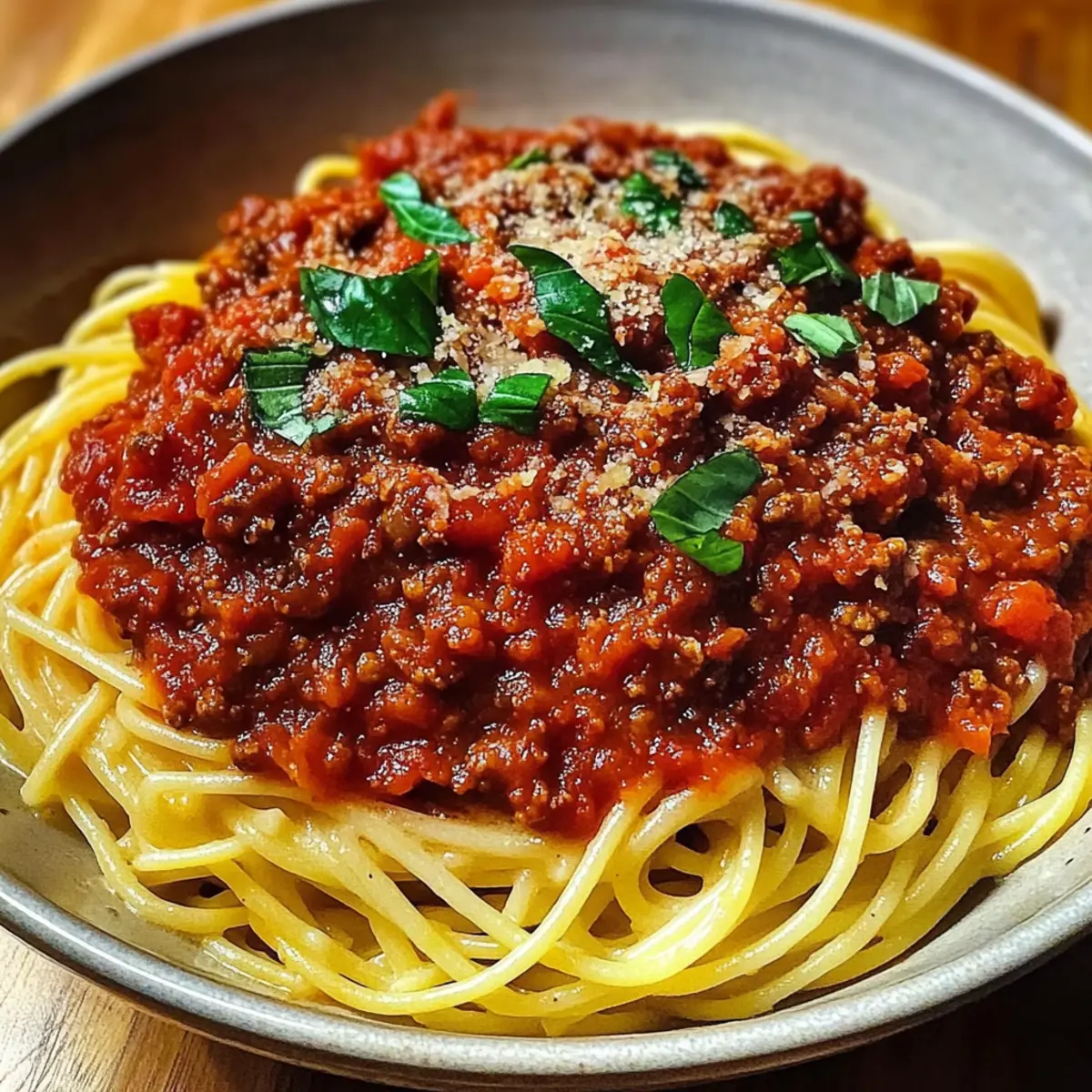
Expert Tips for 130-Year-Old Italian Spaghetti Sauce
• Quality Ingredients: Use high-quality crushed tomatoes and fresh herbs; they make a significant difference in the flavor of your 130-Year-Old Italian Spaghetti Sauce.
• Perfect Simmer: Allow the sauce to simmer gently rather than boiling vigorously. This soft cooking process enhances flavors and prevents burning.
• Taste Test: Always taste and adjust seasoning before serving. Each batch of tomatoes can vary in acidity, so tweaking is essential for balance.
• Fresh Herbs: If using fresh herbs, add them at the end of cooking to preserve their aromatic qualities and vibrant flavor.
• Leftover Magic: Store any leftovers in an airtight container; the flavors develop even more overnight, making the sauce taste even better the next day.
130-Year-Old Italian Spaghetti Sauce Variations
Feel free to let your creativity shine while preparing this comforting classic meal!
-
Vegetable Boost: Add chopped bell peppers or zucchini for extra nutrition and a surprising texture twist in every bite.
-
Spicy Kick: Sprinkle in crushed red pepper flakes to elevate your sauce, infusing it with warmth and a delightful zesty flair.
-
Herb Medley: Experiment by mixing in fresh basil and parsley; their bright flavors perfectly contrast the hearty sauce, enhancing delight.
-
Creamy Twist: Stir in a splash of heavy cream or whole milk at the end for a rich and velvety sauce that feels indulgent.
-
Meat Lovers: Brown some Italian sausage before adding the onions for a heartier sauce option; it adds a savory richness you’ll adore.
-
Mushroom Magic: Toss in sliced mushrooms while sautéing the onions—their earthy flavor marries wonderfully with the richness of the sauce.
-
Fishy Delight: For a coastal twist, try adding canned tuna or anchovies while the sauce simmers for a unique umami flavor to your pasta.
-
Citrus Zing: Grate some lemon zest before serving to awaken the flavors with a bright, citrus note that elevates the entire dish.
This sauce is just waiting for your personal touch, which you can enjoy alongside hearty dishes like Stuffed Italian Meatloaf or paired with a classic dish of Cod Potatoes in Rosemary Cream Sauce. Happy cooking!
What to Serve with 130-Year-Old Italian Spaghetti Sauce
As the hearty aroma of this timeless sauce fills your kitchen, consider the perfect companions to create an unforgettable Italian feast.
-
Garlic Bread: A must-have staple that offers a delightful crunch and buttery flavor, perfect for soaking up every drop of sauce.
-
Caesar Salad: Crisp romaine and creamy dressing provide a refreshing contrast, enhancing your meal with a touch of brightness.
-
Roasted Vegetables: Seasonal vegetables like zucchini and bell peppers roasted to perfection deliver a sweet and savory depth that complements the sauce beautifully.
-
Classic Italian Meatballs: Juicy meatballs bursting with flavor add protein and heartiness, making your spaghetti experience even more comforting.
-
Red Wine: A glass of Chianti or a robust Merlot elevates the dining experience, balancing the savory notes of your sauce with fruity undertones.
-
Lemon Sorbet: A light and zesty dessert cleanses the palate, wrapping up your meal on a refreshing note after the rich flavors of the sauce.
Crafting a complete meal around the 130-Year-Old Italian Spaghetti Sauce is not just about filling plates; it’s about creating a cozy gathering that invokes joy and nostalgia. Each pairing brings a new layer of enjoyment to your shared dining experience.
Make Ahead Options
These 130-Year-Old Italian Spaghetti Sauce options are perfect for busy home cooks looking to save time during the week! You can prepare the sauce itself up to 3 days in advance; simply let it cool completely, then store it in an airtight container in the refrigerator. The flavors will meld beautifully as it sits. If you’re looking to truly save time, you can also chop your onions and mince your garlic up to 24 hours ahead of cooking; refrigerate them in a sealed container to maintain freshness. When ready to serve, just reheat the sauce gently on the stove while you cook your spaghetti, and enjoy a homemade meal that feels effortlessly prepared!
How to Store and Freeze 130-Year-Old Italian Spaghetti Sauce
Fridge: Store the sauce in an airtight container in the fridge for up to 4 days. Allow it to cool to room temperature before sealing for optimal freshness.
Freezer: Freeze the sauce in an airtight container or freezer-safe bags for up to 3 months. Remember to leave some space for expansion when freezing.
Reheating: When ready to enjoy, reheat the frozen sauce in a saucepan over low heat, stirring occasionally, until warmed through. Add a splash of water for desired consistency.
Tip: The flavors of this 130-Year-Old Italian Spaghetti Sauce tend to deepen as it sits, making leftovers even more delightful!
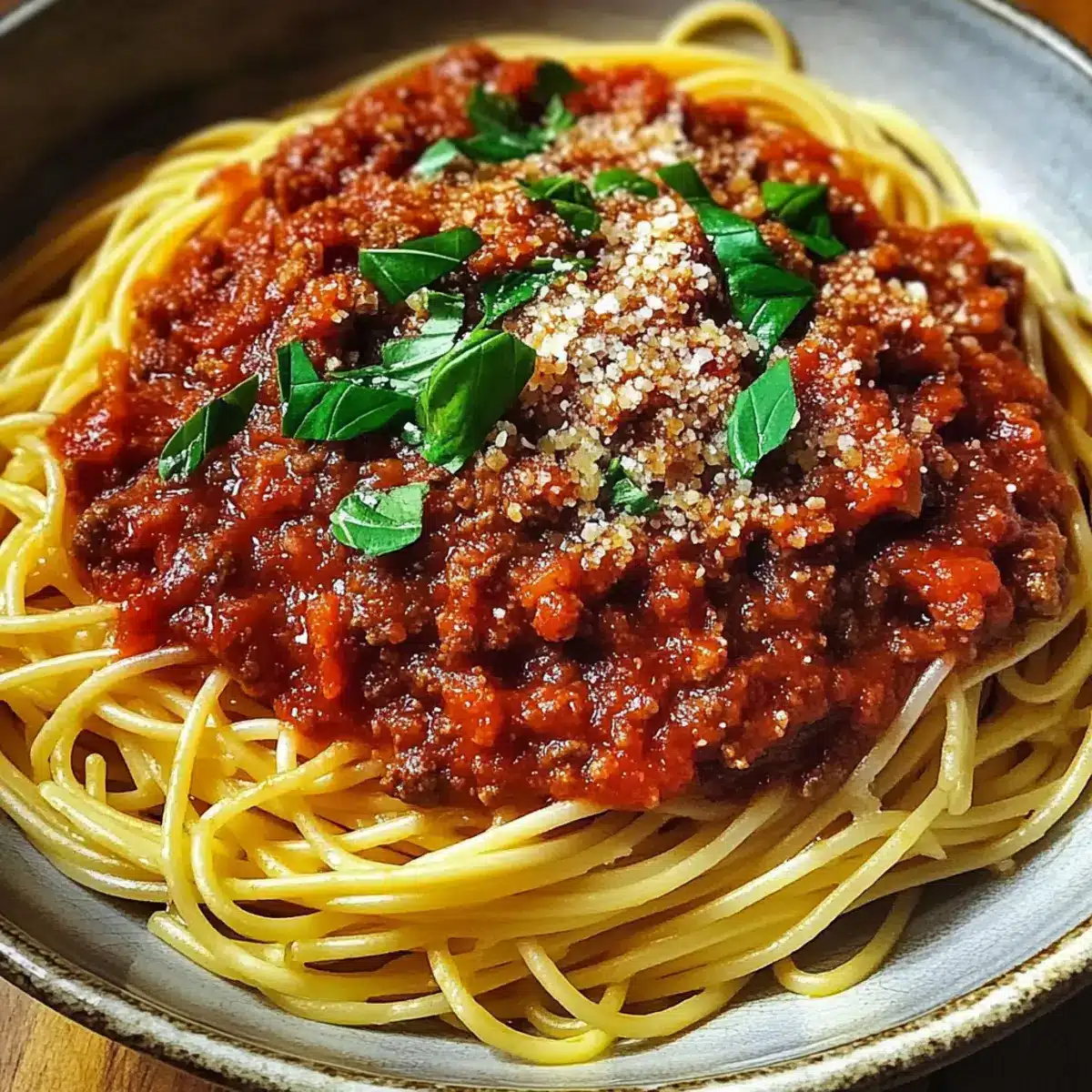
130-Year-Old Italian Spaghetti Sauce Recipe FAQs
What kind of tomatoes should I use for the sauce?
Absolutely! For the best flavor in your 130-Year-Old Italian Spaghetti Sauce, I recommend using high-quality crushed tomatoes. Look for brands that use San Marzano tomatoes, as they offer a richer taste and a sweeter profile. If you can’t find crushed tomatoes, whole canned tomatoes pureed in a blender can work just as well.
How long can I store the spaghetti sauce?
You can store your sauce in an airtight container in the fridge for up to 4 days. Be sure to let it cool down to room temperature before sealing it for optimal freshness. It’s a perfect option for meal prep or a quick reheat after a long day!
Can I freeze the spaghetti sauce?
Yes, you can freeze the 130-Year-Old Italian Spaghetti Sauce! Pour the cooled sauce into airtight containers or heavy-duty freezer bags, leaving some space for expansion, and freeze for up to 3 months. When you’re ready to use it, thaw in the refrigerator overnight and reheat on the stove.
What should I do if my sauce is too acidic?
If you find your sauce tastes too acidic, don’t worry! Here’s what to do: add a small amount of sugar, starting with 1 teaspoon, to balance the acidity. Stir and let it simmer for a few minutes to meld the flavors. Taste again and repeat if necessary. You can also add a pinch of baking soda to neutralize the acidity, but keep in mind this may alter the flavor slightly.
Is this sauce safe for pets?
This sauce is not suitable for pets, as it contains ingredients like garlic and onions, which can be toxic to dogs and cats in higher amounts. Always keep this homemade treat for your loved ones and avoid sharing it with your furry companions.
How do I adjust the sauce for dietary restrictions?
If you’re accommodating specific dietary needs, such as gluten intolerance, simply serve the sauce over gluten-free pasta. You can also make it vegan-friendly by omitting the sugar if it’s derived from animal products and ensuring that your tomatoes don’t include any non-vegan additives. Plus, feel free to substitute with a lower-sodium broth instead of salt for those watching their sodium intake!
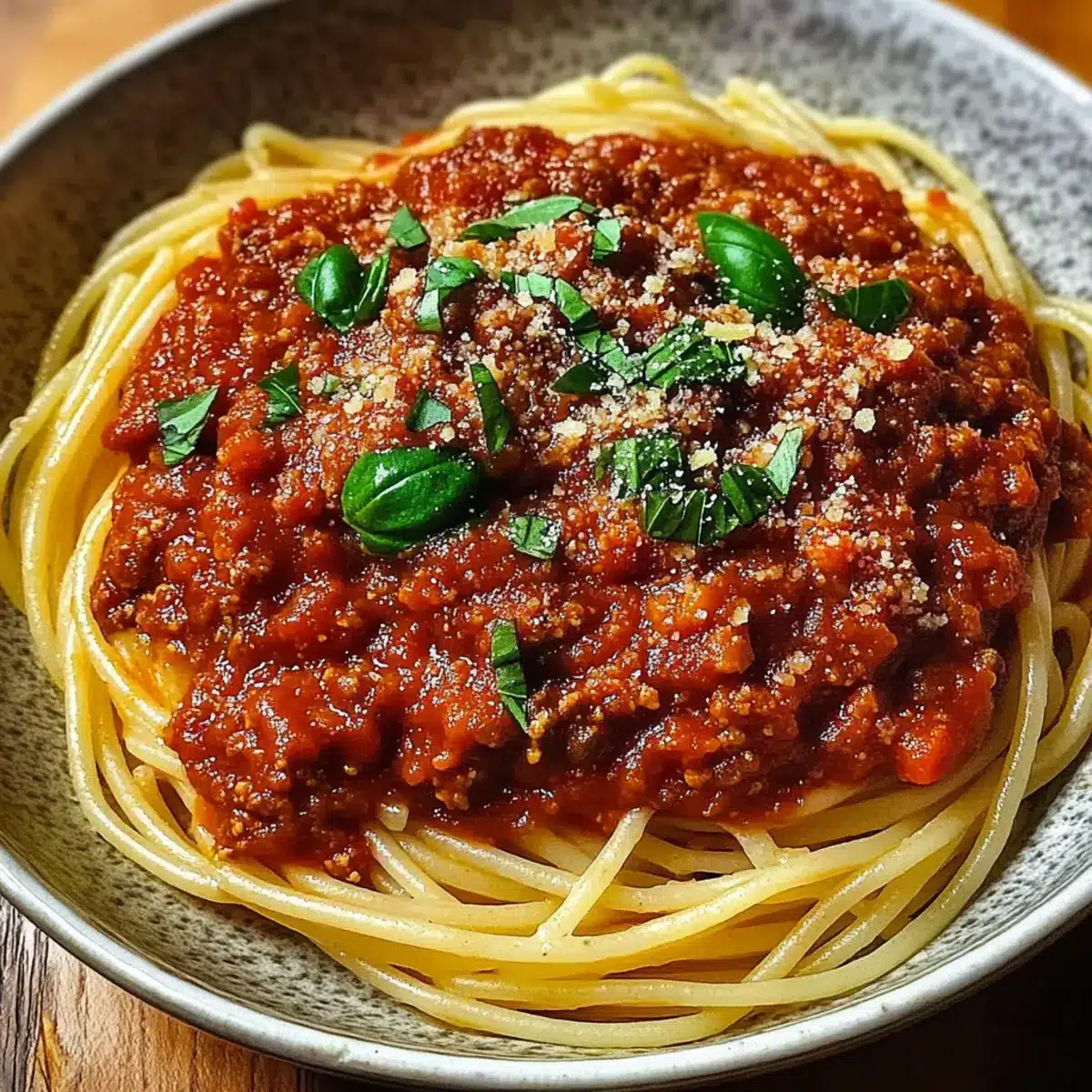
130-Year-Old Italian Spaghetti Sauce That Steals Hearts
Ingredients
Equipment
Method
- Heat 2 tablespoons of extra virgin olive oil in a large pot over medium heat until shimmering.
- Add 1 diced onion and sauté for about 5 minutes until translucent.
- Stir in 2 teaspoons of minced garlic and cook for another minute until golden.
- Pour in 28 ounces of crushed tomatoes and stir well to integrate all ingredients.
- Add 1 teaspoon of dried oregano, 1 teaspoon of dried basil, salt, pepper, and optionally 1 tablespoon of sugar, then stir.
- Bring to a gentle simmer over low heat and cook uncovered for 30 minutes, stirring occasionally.
- After 30 minutes, adjust the consistency if needed and taste for seasoning.
- Serve the sauce tossed with freshly cooked spaghetti or ladled on top.
Leave a Reply